Repeated Emergency Revisions to the User Agreement — What Is Tencent Yuanbao Worried About?
Under public pressure over aggressive data usage terms, Tencent Yuanbao revised its user agreement three times in a week, shifting from a permanent, transferable license to an opt-in model for model optimization data collection.
With the integration of the full-power DeepSeek model and aggressive promotion across multiple channels including WeChat and Sogou Input, Tencent Yuanbao (Yuanbao) has ushered in another new spring.
However, “popular AI attracts controversy.”
As netizens deeply dug into and widely discussed the User Agreement, some content that appeared “jarring” or controversial in the eyes of ordinary users was widely circulated, putting Tencent Yuanbao under considerable public pressure.
Consequently, a round after round of emergency revisions to the User Agreement followed.
From February 27, 2025, to today (March 4, 2025), in less than a week, the User Agreement has been updated three times. The efficiency of the legal team is truly impressive.
What exactly did Yuanbao’s User Agreement change?
Why were these changes necessary?
Next, we will conduct an in-depth analysis, exploring the changes in the user agreement and the reasons behind them.
This article represents only the author’s personal views and does not constitute legal advice or legal opinion.
I. The Evolution of Yuanbao’s User Agreement
Yuanbao’s user agreement does not provide a history version browsing feature. But coincidentally, I am someone who pays attention to User Agreements and happened to keep a screenshot of Article 5.4 from the February 27, 2025 version.
Therefore, let’s look at the three updates to the User Agreement from February 27 to March 4:
February 27 Version
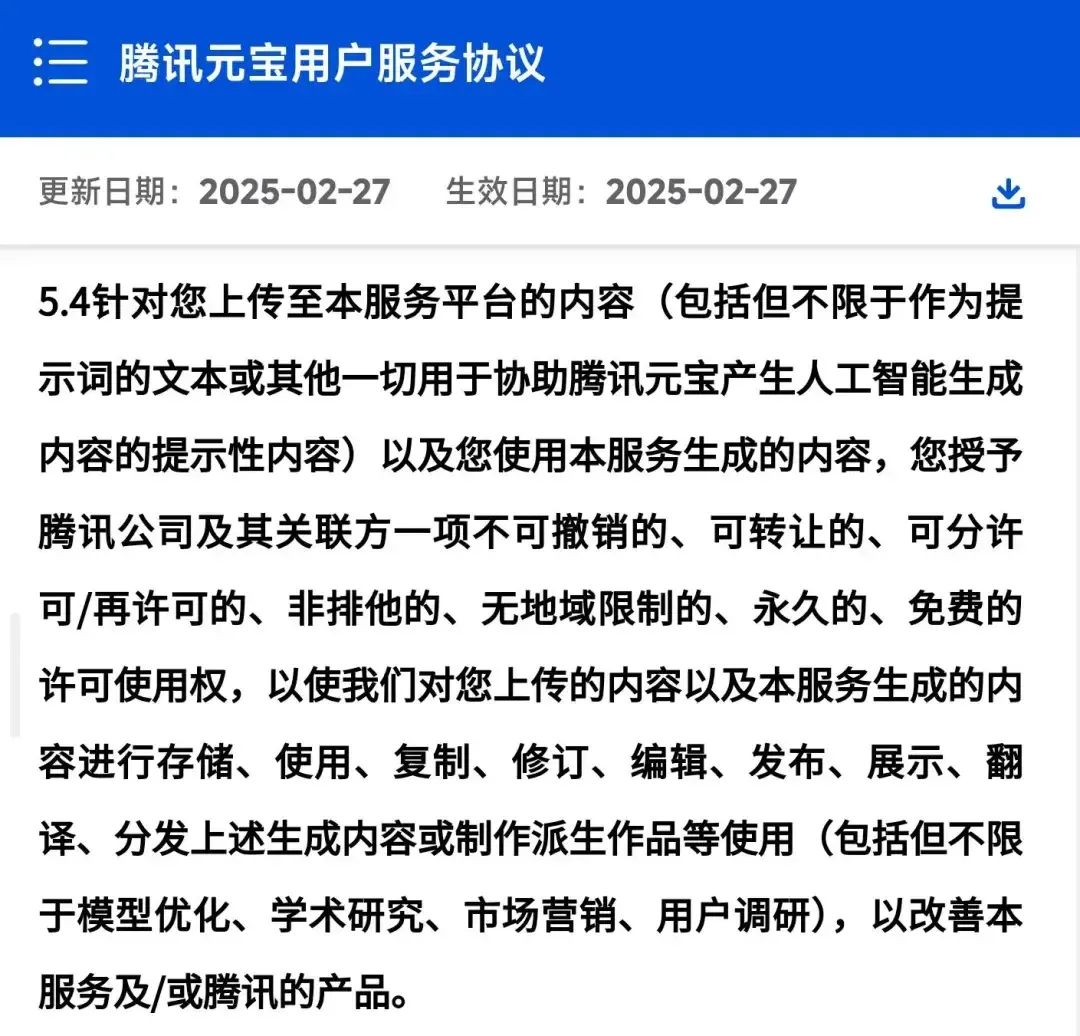
This version could be interpreted as:
Whether user prompts (Prompts) or any other提示性 content used to generate results (including but not limited to uploaded attachments, documents, images, etc.), as well as AI-generated results, would be irrevocably licensed to Tencent with permanent, free usage rights for use in any applicable context.
This authorization was even transferable, sublicensable, and地域无限制, meaning Tencent had the right to forward these materials to any third party without restriction.
Simply put, the intellectual property rights related to this content would be unconditionally handed over to Tencent for use.
March 1 Version
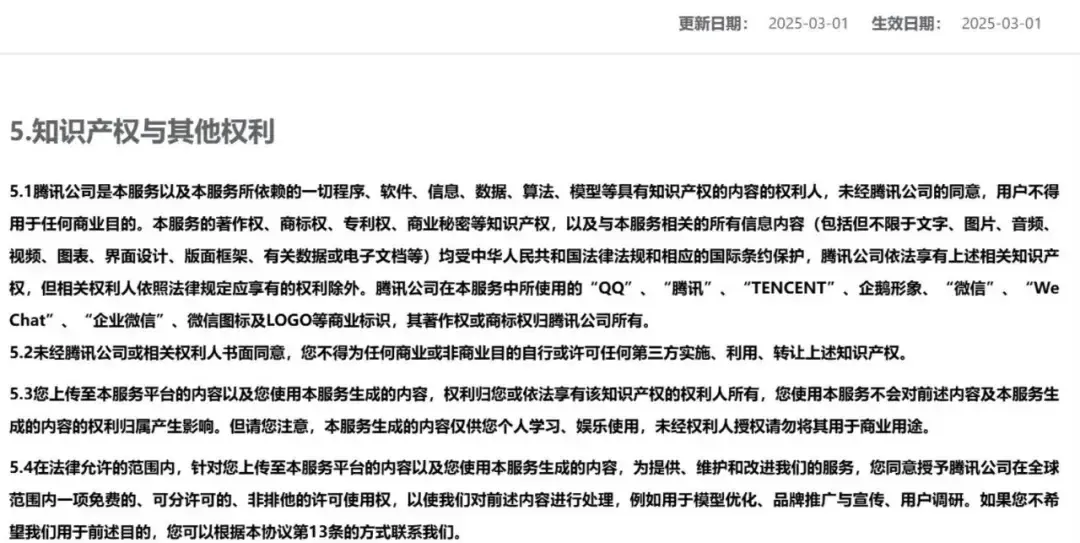
In the March 1 revised version, Tencent deleted (hidden) the explicit “or any other提示性 content used to assist Tencent Yuanbao in generating AI-generated content,” removed “scary” descriptions like “irrevocable, transferable,” reduced the scope of use to “model optimization, academic research, marketing, user research,” and added an “active opt-out” mechanism.
However, this version of the User Agreement still effectively required users to grant Tencent a worldwide, free usage right to all prompts, uploaded content, and generated results during use.
The scope of use remained insufficiently clear, only vaguely described with “for example,” lacking specific limitations.
The opt-out mechanism was also very inconvenient, requiring contacting customer service (which, as everyone knows, is difficult to reach).
March 4 Version
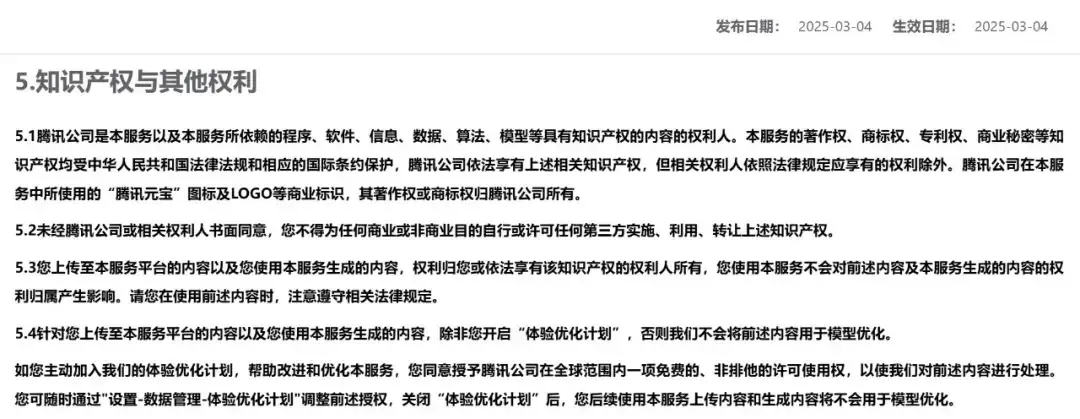
After another wave of public attention, Yuanbao updated the User Agreement again on March 4.
This version further模糊化了 most of the content, retaining only “model optimization” for usage scenarios.
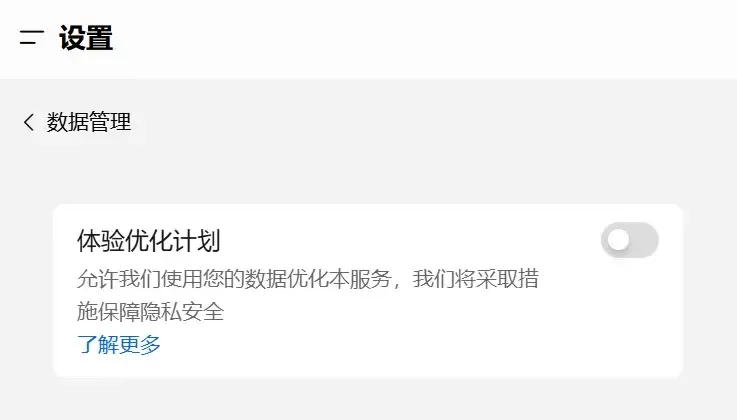
However, this version introduced the concept of an “Experience Optimization Plan,” where user data would only be collected and used if the user actively enabled the plan (i.e., opt-in).
Based on my verification, this “Experience Optimization Plan” is unchecked by default, which is a clear response to user concerns.
II. Why Were These Changes Made?
It’s not hard to guess that Yuanbao, as a product into which Tencent has invested significant energy and advertising space recently, is a “must-win, cannot lose” strategic project.
With its integration of the full-power DeepSeek and aggressive promotion through high-traffic channels like WeChat, Yuanbao quickly captured the market, especially gaining high attention from a large number of people who don’t typically use AI.
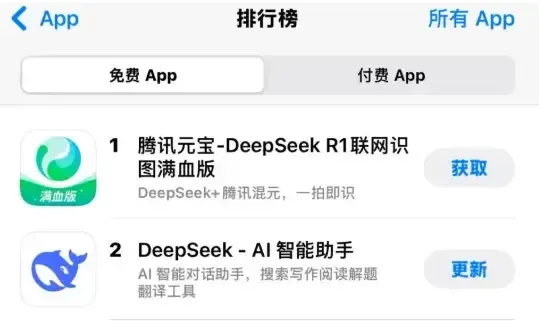
Of course, market data gave positive feedback: Yuanbao successfully surpassed the official DeepSeek app to top the AppStore free chart, becoming a star product in the AI application field.
However, the sudden controversy over the User Agreement caught Tencent off guard.
Although the controversy initially started within legal and developer circles, as discussion intensified and spread — especially when various news websites began covering the event, and considering that another hot AI “competitor” also controls massive traffic channels — the scope of impact could potentially expand to ordinary users.
If the User Agreement controversy further escalated, it could bring multiple negative consequences. The most obvious is that the大量 resources previously invested and the results of advertising campaigns could “go down the drain.” Decreased user trust could lead to user churn, even affecting future feature promotion and market competitiveness.
Secondly, sustained public pressure and user dissatisfaction could attract close attention from regulators. In recent years, user privacy has been a key national concern. AI is also currently a regulatory focus area. If Yuanbao’s relevant behavior is deemed to violate laws and regulations, Tencent would not only face fines and high compliance costs but could also damage Tencent’s overall credibility.
It is precisely for these reasons that it’s not hard to understand why Tencent’s legal department reacted so quickly.
III. How Are Others Doing It?
However, contrary to the common perception of Tencent’s “hegemonic wrongdoing,”
Yuanbao this time may simply have been following “industry practices,” since others were doing the same.
I have already analyzed this in a previous article (see: this one). Let’s take this opportunity to see if things will be different after the Yuanbao incident.
Domestic
DeepSeek
DeepSeek, as the current star product and the first choice for many, has data usage descriptions in both its “User Agreement” and “Privacy Agreement”:

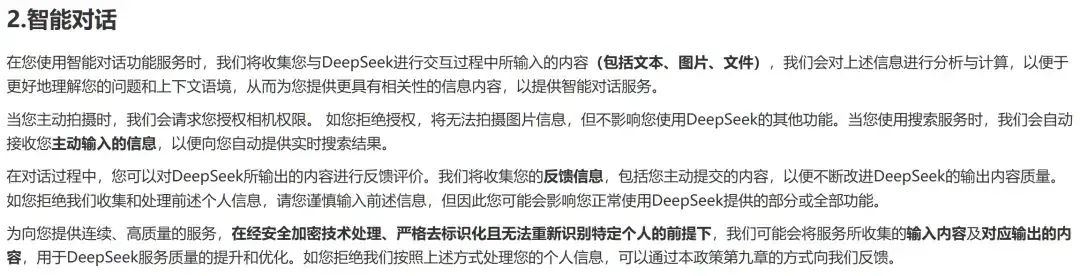
DeepSeek adopts an opt-out method for withdrawing consent.
Doubao
Currently forming a tripartite balance with Yuanbao and DeepSeek is Doubao. Doubao’s “User Agreement” and “Privacy Agreement” are similar to Yuanbao’s February 27 version, similarly granting ByteDance a worldwide, permanent, transferable usage right (even the wording is similar).
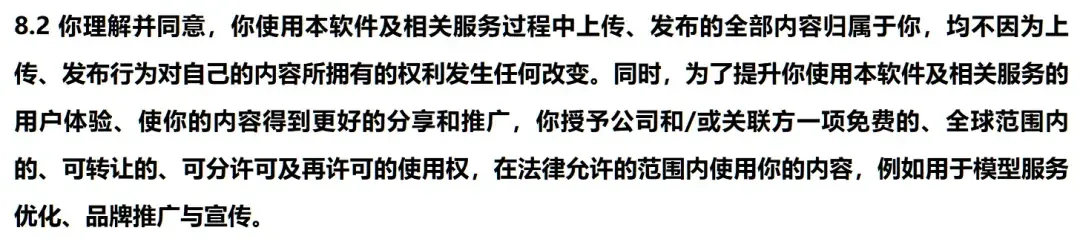
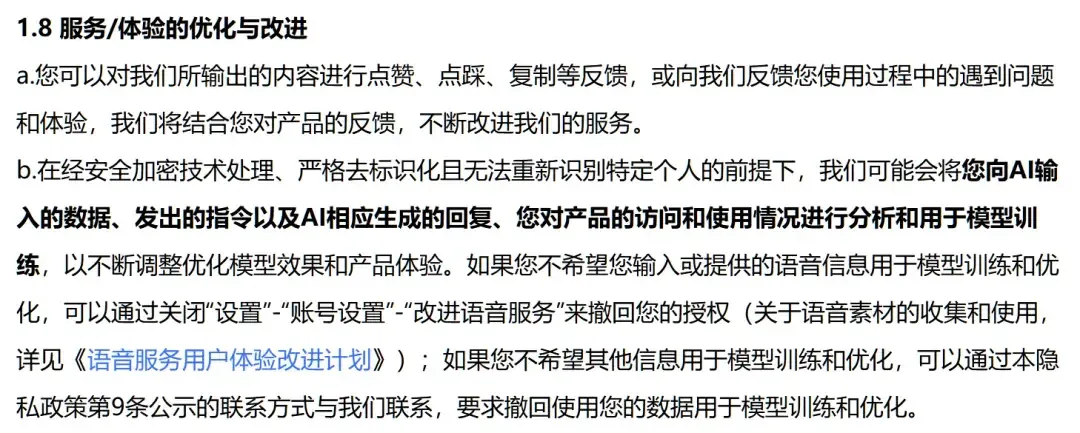
Similarly, Doubao also adopts an opt-out method for withdrawing consent.
Overseas
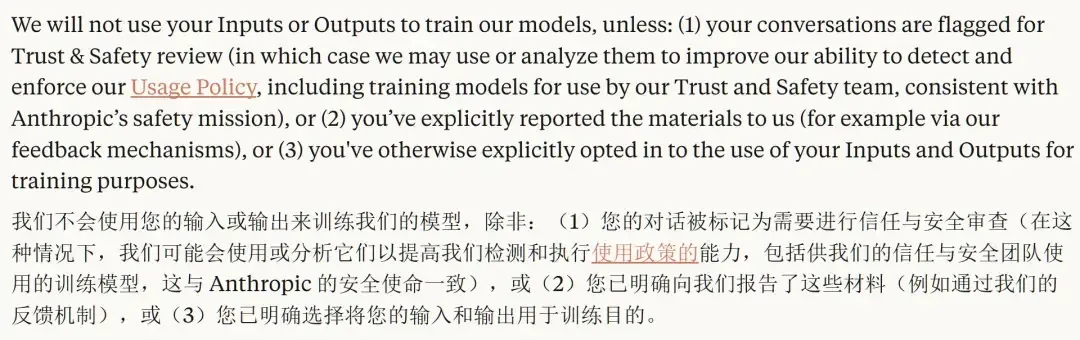
Claude
As one of the three giants of overseas models, Claude’s “Privacy Agreement” clearly states that under normal circumstances, it will not use user inputs and outputs to train its models.
Grok (xAI)
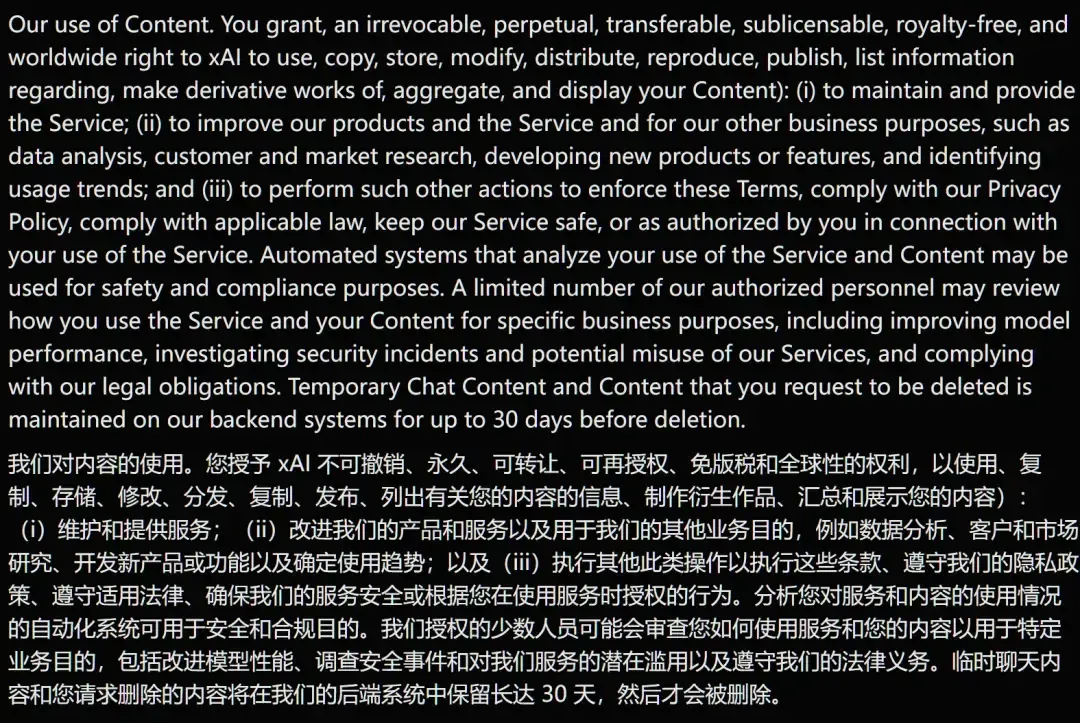
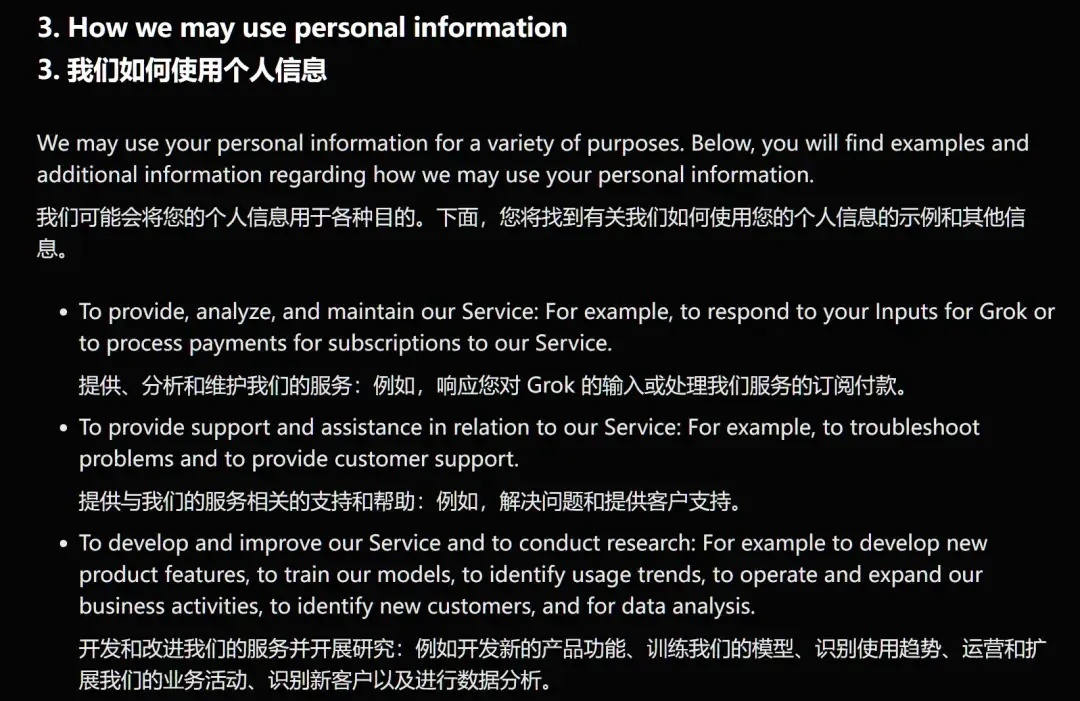
Grok, under Musk’s heavy investment, has become the leader in closed-source AI models in terms of benchmarks. Its “User Agreement” and “Privacy Agreement” are basically consistent with Yuanbao’s original agreement, explicitly stating that it will use users’ personal information (inputs and outputs) to train models and new products, requiring users to grant worldwide free usage rights.
ChatGPT
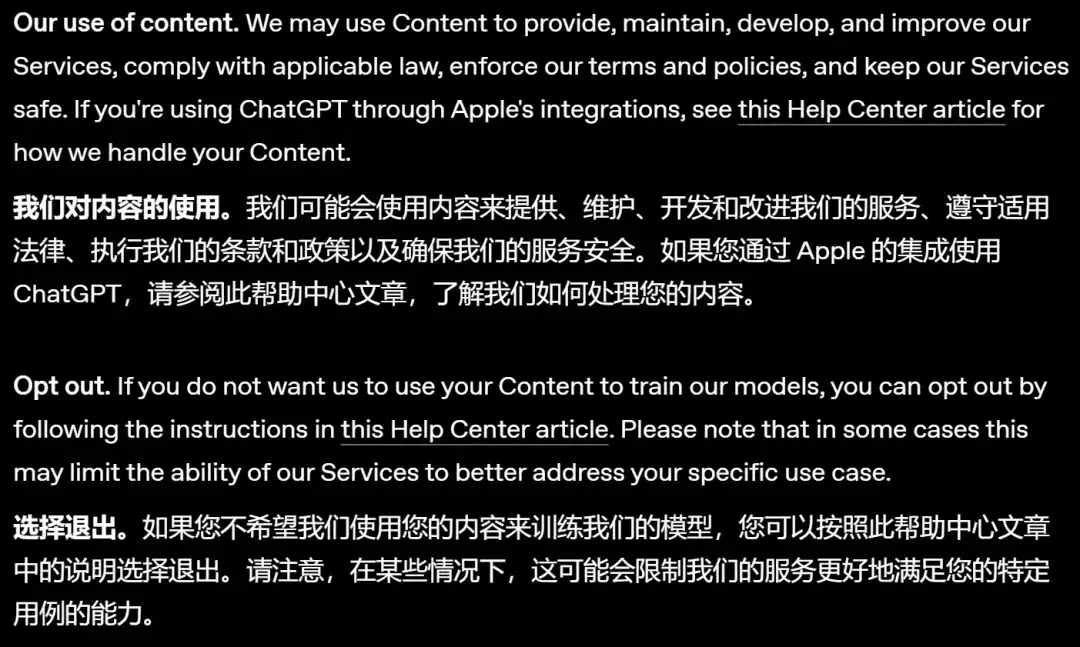
As a veteran AI service, CloseAI OpenAI also states that it uses user input to train models.
Gemini
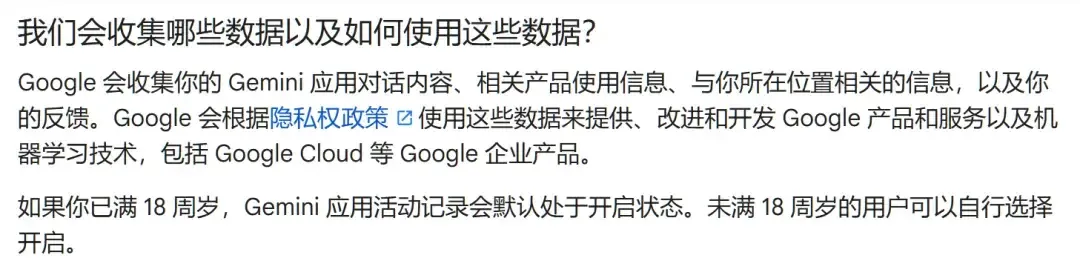
The three giants usually have four companies. Google’s Gemini states in its “Privacy Agreement” that it uses user input and output to train the Google family of products.
IV. Conclusion
From the above “User Agreements” and “Privacy Agreements” of various companies, it’s clear that Yuanbao’s data usage practices are fully in line with the industry standards and norms of the vast majority of AI service providers worldwide. It’s just that because it’s a Tencent product and recently receiving so much traffic, any minor clause controversy can be amplified and attract more attention.
In the AI field, data is undoubtedly the most核心 asset. Publicly available data resources on the internet are approaching “depletion” for already trained parametric models. Therefore, whoever can more efficiently mine and utilize the data in users’ hands is more likely to gain significant technological advantages and market leadership for their next-generation AI model. This is also why various model providers offer free models to everyone.
Every gift from fate already has its price tag hidden.
This time, Tencent Yuanbao proactively revised the User Agreement, even changing it to an opt-in model. This can be considered
“very responsible,” even appearing overly “diligent.”
Recently, more and more friends around me are using Yuanbao. At the same time, also gaining attention is Tencent’s ima.copilot (ima), which integrates Yuanbao and the Tencent ecosystem. ima is a smart workstation product centered on knowledge bases, allowing users to upload their own documents to build personal knowledge bases and share them with others. Considering that many people, when first encountering RAG, are very excited about AI’s output, ima, riding on Yuanbao’s coattails, has recently attracted business users and professionals with large amounts of file data.
Of course, ima’s “User Agreement” also follows “industry practices.” Tencent similarly has usage rights to related generated content.
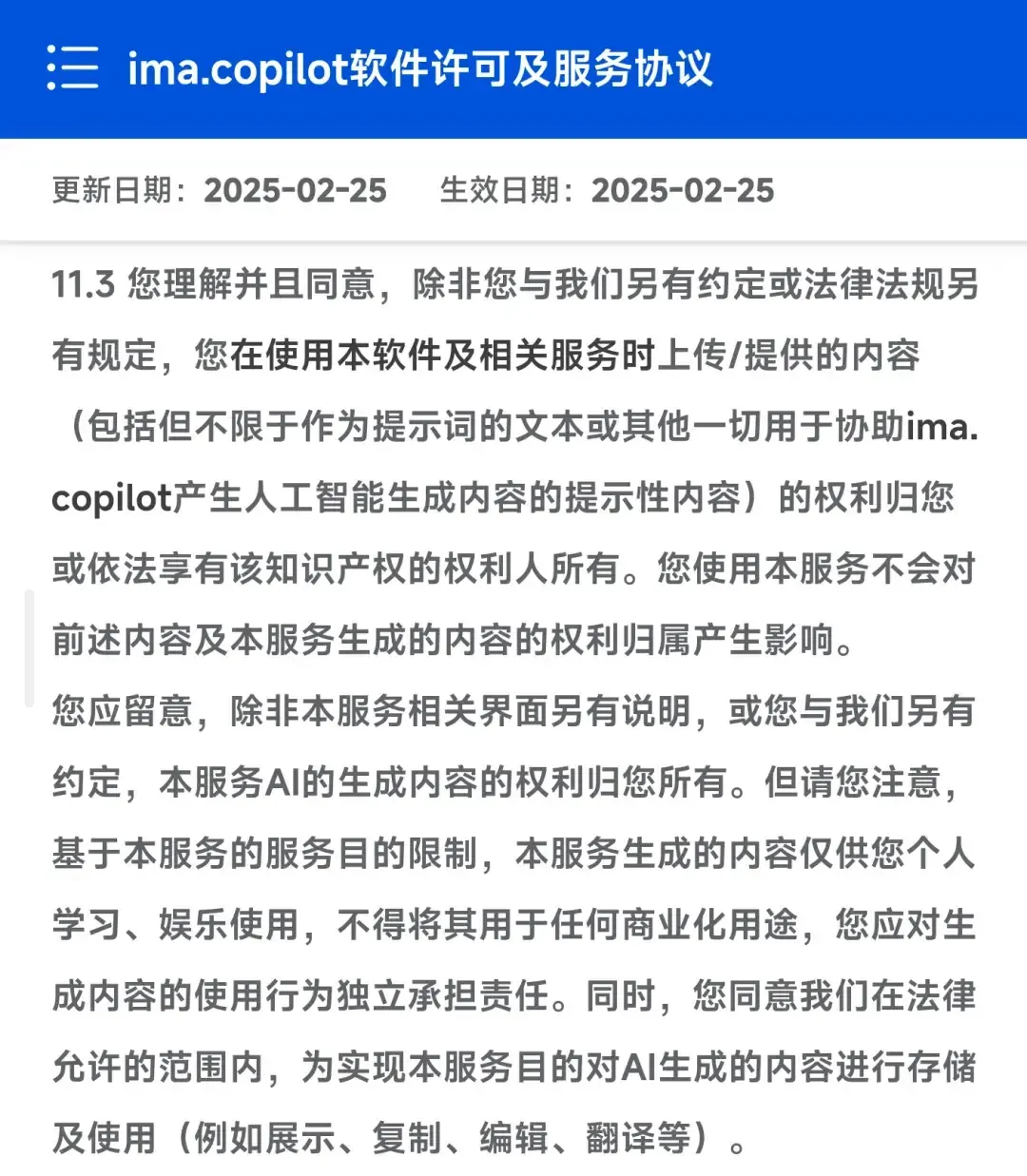
Although the “Knowledge Base Related Statement” declares that it will not擅自 use knowledge base data to train models,

RAG’s answering method basically quotes the original text from the knowledge base. That is, “AI-generated content” may also contain knowledge base content. Caution should still be exercised when building knowledge bases.
In reality, I have already noticed some colleagues directly uploading internal documents from consulting firms to ima, using RAG to generate documents for their companies.
One can only say that in the AI era, many people are willing — and even prefer — to trade their own privacy, or even others’ privacy, for convenient, efficient services.