Pokémon vs. Palworld: Several Legal Questions You Care About May Be Answered Here
Explores Nintendo and The Pokémon Company's patent infringement lawsuit against Palworld developer Pocketpair, distinguishing patent from copyright claims, identifying potentially infringed game mechanics patents, and discussing implications for Chinese game companies expanding overseas.
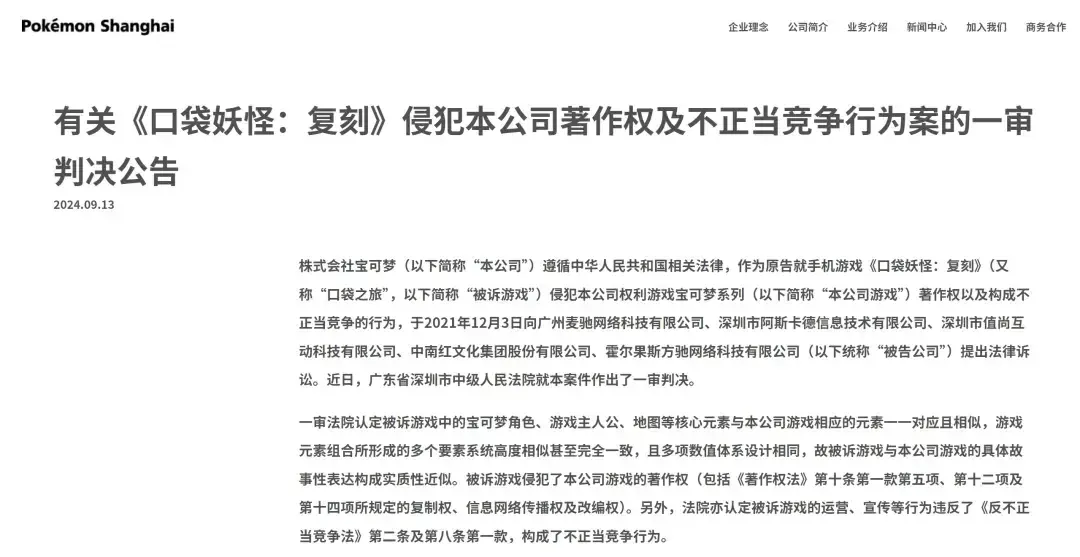
Recently, The Pokémon Company announced the first-instance verdict in a lawsuit regarding “Pokémon: Remake” (also known as “Pocket Journey”) for copyright infringement and unfair competition.
The court found that the accused game infringed Pokémon’s copyright and constituted unfair competition, ordering the defendants to pay The Pokémon Company a total of:
107 million RMB in economic damages and reasonable legal costs.
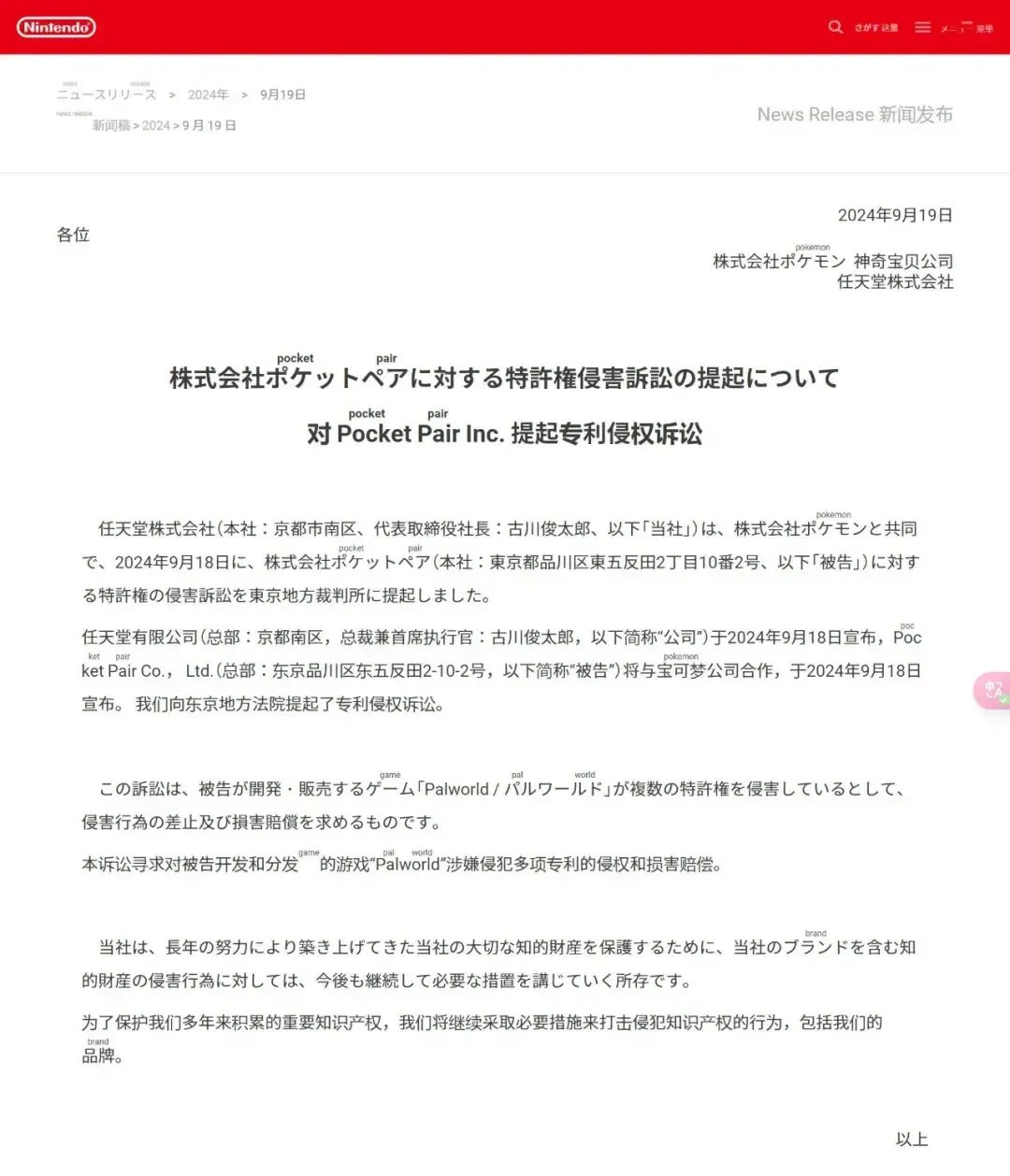
While everyone was marveling at the record-breaking damages in a gaming case, Nintendo and The Pokémon Company released a joint statement on September 19, announcing that they would sue Pocketpair, the developer of Palworld (also known as パルワールド), for multiple patent infringements.
The strongest legal department in the Eastern Hemisphere: It’s not that they don’t sue — it’s just not the right time.
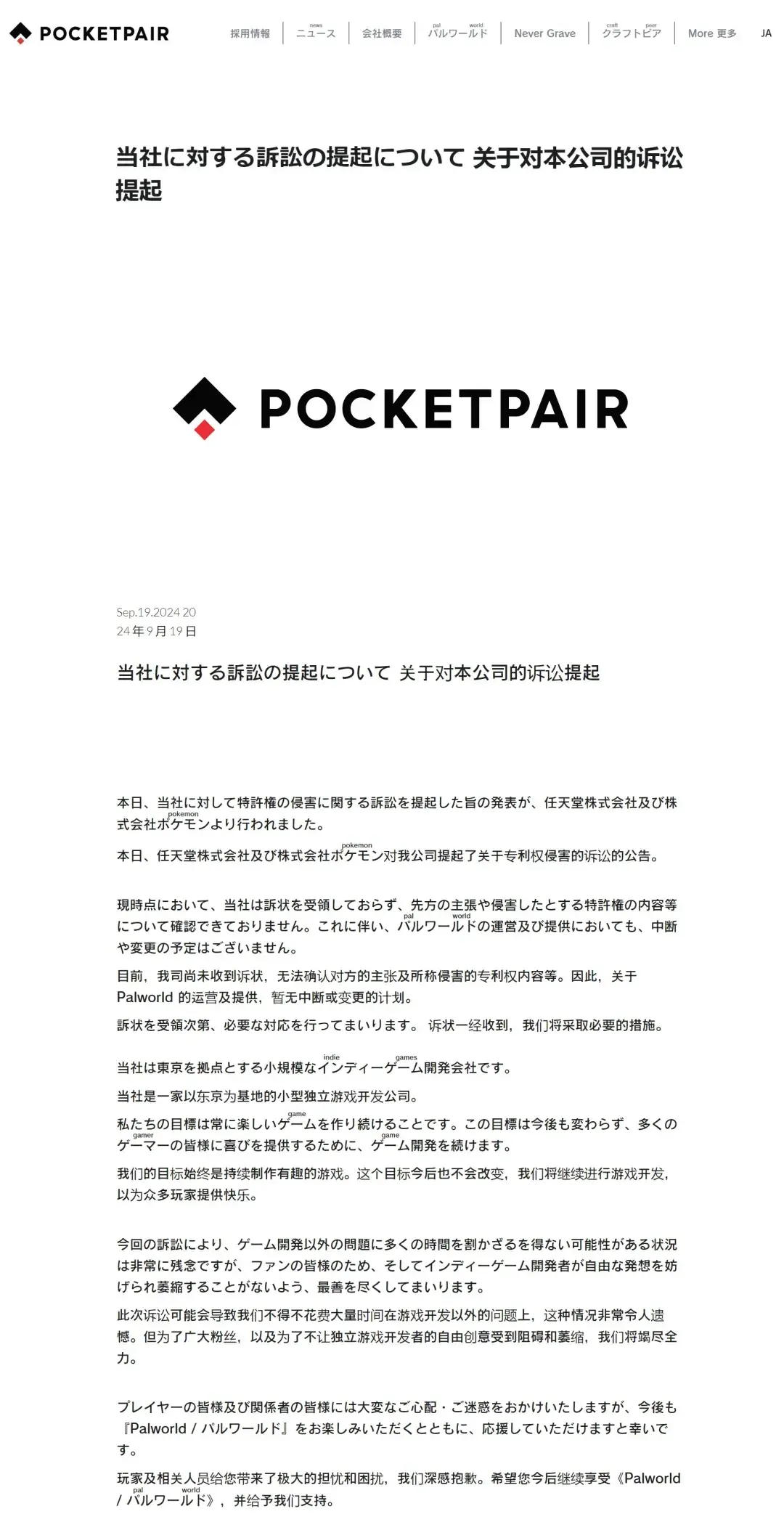
Shortly after, Pocketpair issued a response, stating that they had not yet received the relevant litigation materials and that they would continue operating Palworld.
The internet was immediately buzzing with discussions.
Therefore, this article collects some common legal questions from the discussions and explores them briefly.
*This article reflects only the author’s personal views and does not constitute legal advice or a legal opinion.
I. Copyright Infringement? Patent Infringement?
The most common online discussion revolves around:

However, both Nintendo and Pokémon’s joint statement and Pocketpair’s response used:
“特許権の侵害” (Patent Infringement).
The common art infringement, i.e., “Pokémon/Palworld design similarity,” falls under copyright infringement, which in Japanese is called:
“著作権侵害” (Copyright Infringement).
Therefore, based on the available information, Nintendo and Pokémon’s lawsuit against Pocketpair is not as simple as “Palworld copied Pokémon’s character designs.”
Could it be that Nintendo and Pokémon applied for “design patents” for the characters and items?
First, it is generally very difficult to apply for “design patents” for character or item art designs.
Second, “design patent” also has a specific term in Japanese:
“意匠” (Design).
“特許権の侵害” (Patent Infringement) ≠ “意匠権侵害” (Design Patent Infringement).
Therefore, comparing the visual designs of Pokémon and Palworld may not be very relevant to this case.
We need to explore which patents have been infringed more deeply.
II. So Which Patents Were Infringed?
Unfortunately, at this point, no one knows except the plaintiff.
Because Nintendo has way too many patents.
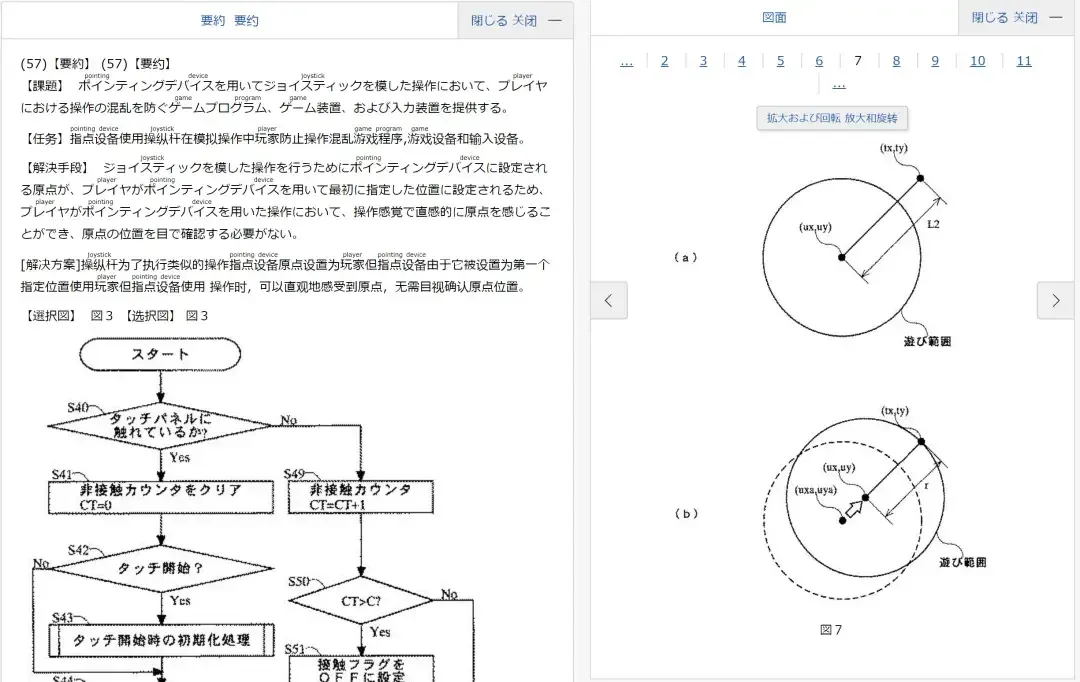
For example, the virtual joystick design, very common in mobile games, is patented by Nintendo.
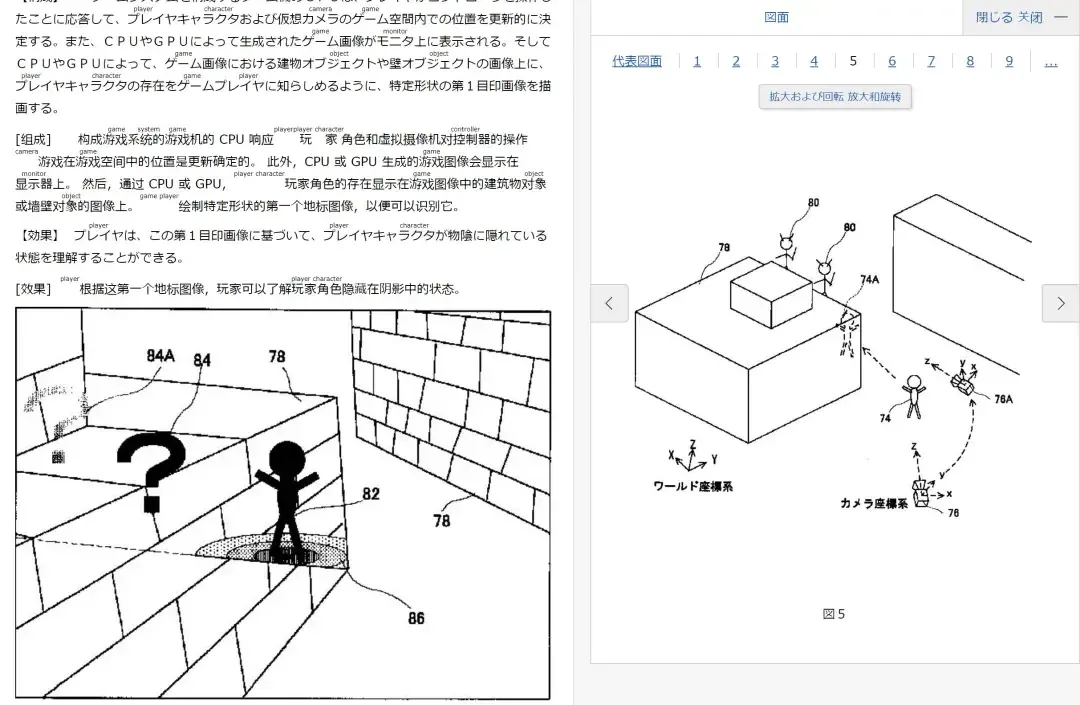
Another example is the very common design where a character obscured by a background element appears as a ghostly outline — also patented by Nintendo (though this patent has expired due to term limits).
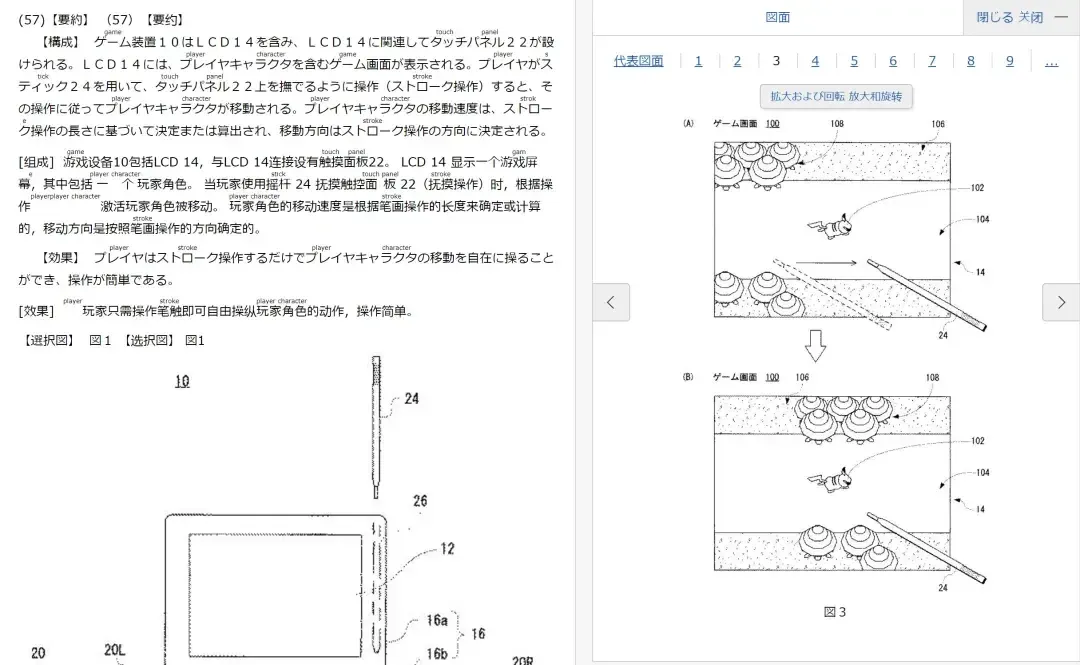
Or the design where a character moves based on the direction and distance of touch input on a trackpad:
However, The Pokémon Company is no slouch either. Here are a few quick examples:
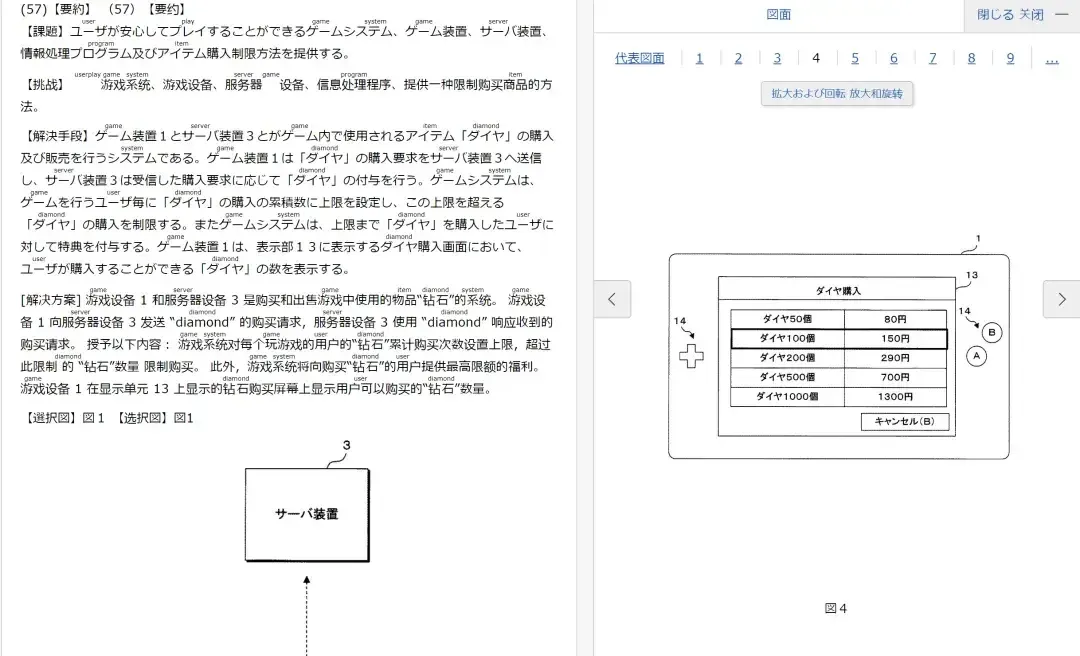
A [Top-Up Limit] Patent:
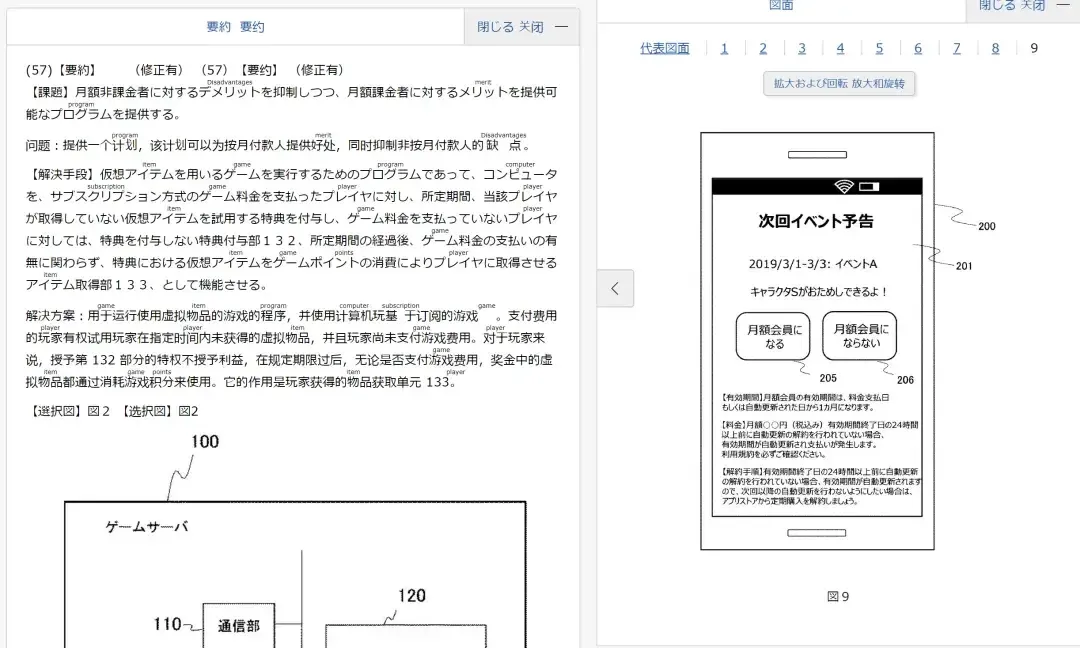
A [Monthly Card Trial Period Benefit] Patent:
(Monthly card users can experience certain items first; non-monthly-card users can buy them with in-game currency after the protection period ends.)
An [Anti-Addiction (Increased Difficulty)] Patent:
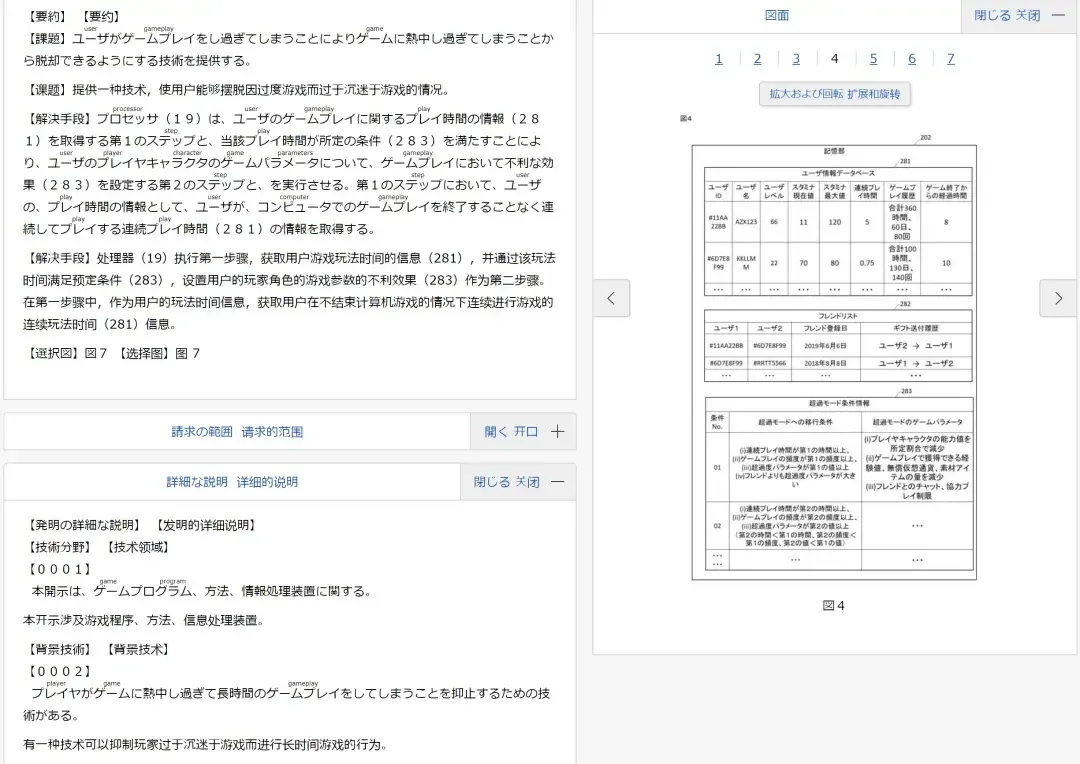
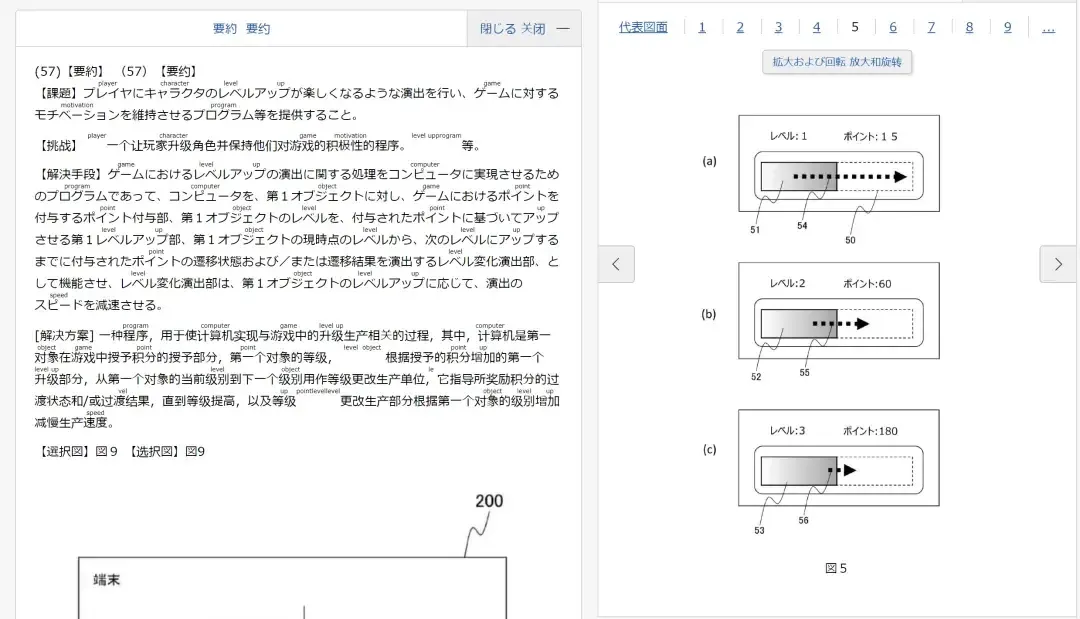
Although both companies have a sea of patents, during my search, I actually found one that looks “suspiciously infringed”:
The [Experience Bar] Patent (Game Designer: “Wait, even this is patented?”)
Here is the Palworld experience bar:

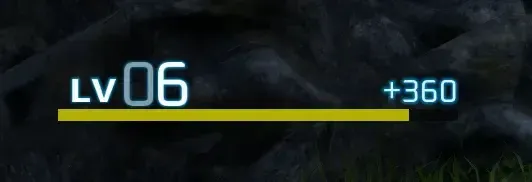
Is it about visual similarity? Isn’t that within the scope of “copyright”?
It’s not that simple.
The content of this patent can be summarized as:
“As the target’s level increases, the speed at which the experience bar fills to the top slows down.”
And:
“When leveling up multiple levels at once, the experience bar filling speed between each level remains consistent.”
I’ve made a simple simulation animation — are certain games’ level-up experience bar animations already popping into your mind?

This patent, especially the first part (the higher the level, the slower the exp bar fills), is essentially used by all current popular RPGs (since the exp-to-level-up ratio naturally works this way anyway).
However, this is just one suspicion. Interested readers can try searching for the two companies’ patents at the following URL:
https://www.j-platpat.inpit.go.jp
Company names in Japanese:
Nintendo: 任天堂株式会社
The Pokémon Company: 株式会社ポケモン
III. Japan’s First Major AI Case?
Additionally, there has been a surge in comments like “Palworld is an AI-generated game, it deserves to be sued,” and “Waiting for Japan’s ruling on AI games.”
I previously wrote about whether Palworld uses AI. Interested readers can check out the following article:
Is ‘Palworld’ an AI Work? | After ‘Copycat Accusations,’ ‘AI Accusations’ Have Become a New Trend
To summarize simply, the author does not believe this is an AI game. In fact, calling it an ‘asset-swapped’ game would be more reasonable than an ‘AI game.’
Moreover, Japan currently has a relatively open attitude toward AI. If the lawsuit were based on AI infringement, it would actually be favorable for Pocketpair.
IV. Implications for Domestic Companies?
Overseas game expansion continues to boom, but unlike the domestic situation, intellectual property protection abroad is far stricter.
In particular, established overseas game companies with deep roots have already applied for a large number of IP rights in their local markets. It’s easy to inadvertently infringe on another company’s rights before even making any money, leading to litigation.
However, one thing is certain: unless you are being exceptionally reckless,
Nintendo, as an industry veteran, is quite tolerant.
Although Nintendo holds a vast number of game-related patents, it does not easily sue others.
The previously sued Shironeko Project (by developer COLOPL) was because of an overreach — they wrapped the “virtual joystick” in new terminology and applied for a new patent — leading Nintendo to settle accounts later.
But when dealing with Japanese companies, be especially careful to check KONAMI’s patents.
Patent trolling is no joke.

Regardless, overseas expansion requires extra attention to patent issues. Some industry designs that are common in China may actually be someone else’s patent from years ago.
The amount of damages awarded for IP infringement overseas is on a completely different scale from domestic cases.
For example, in Shironeko Project, Nintendo increased its claim in 2021 to 96.99 billion yen (approximately 5.8 billion RMB at the time).
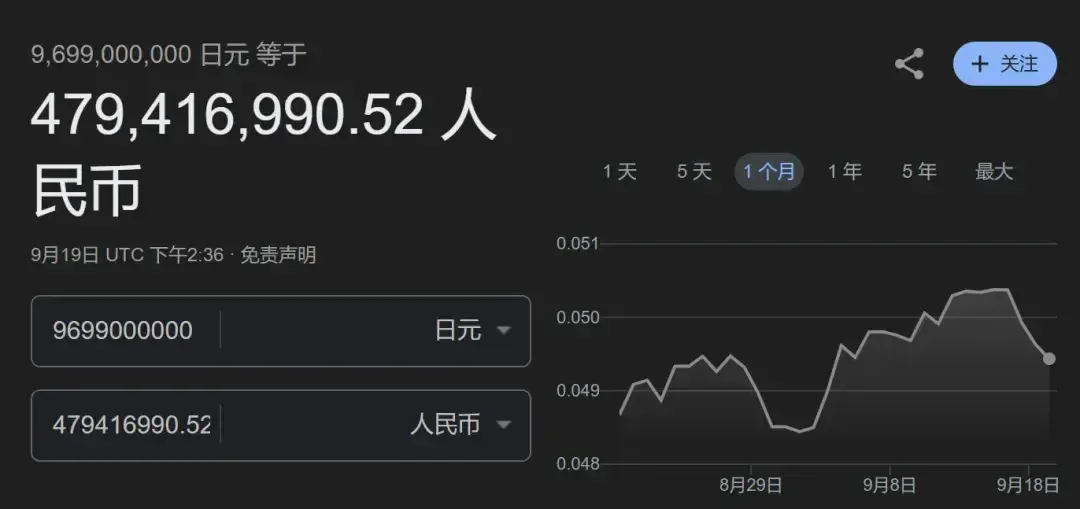
The case ultimately concluded with COLOPL paying Nintendo 3.3 billion yen (approximately 190 million RMB at the time) in settlement.
V. Summary
Although Nintendo has sued Palworld, it will likely take a very long time to see the outcome.
Using Shironeko Project as an example again: Nintendo filed the lawsuit at the Tokyo District Court on December 22, 2017, and the parties reached a settlement in August 2021 — nearly 4 years.
While the pandemic played a role, it’s clear that the verdict or case progress won’t appear before us quickly.
If this account still exists by then (highly likely), we will continue to track the latest updates for you.
So feel free to stay tuned.