Analysis: Adding Suffixes to Game Names for Promotion = Illegal Publications? | Three Companies Fined 153.49 Million Yuan
Three Chinese game companies were fined 153.49 million yuan for adding suffixes to game names, raising questions about whether common industry practices constitute illegal publication.
Recently, the Guigang Municipal Bureau of Culture, Radio, Television, Sports and Tourism released three inconspicuous penalty announcements.
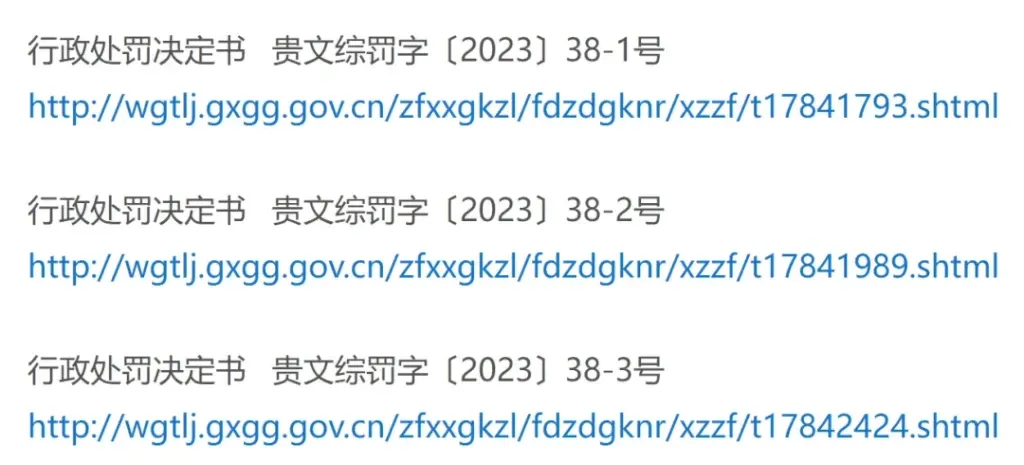
At the same time, the National Enterprise Credit Information Publicity System also published them.
The type of violation identified was:
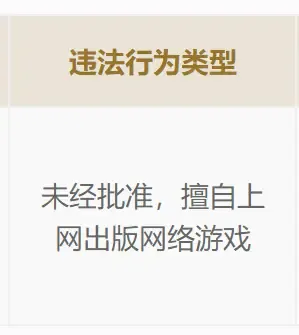
The total penalty amount (confiscation of illegal gains + fines) reached a staggering
153,490,583.15 yuan
This article represents only the author’s personal views and should not be considered legal advice or opinion.
I. Basic Facts
As the full text is too long, the author has briefly summarized it. If you are interested in the original text, you can check the following link:
Administrative Penalty Decision Gui Wen Zong Fa Zi [2023] 38-1, 38-2, 38-3 http://wgtlj.gxgg.gov.cn/zfxxgkzl/fdzdgknr/xzzf/t17843494.shtml
The facts are briefly summarized as follows:
On September 8, 2023, the Guigang Municipal Bureau of Culture, Radio, Television, Sports and Tourism received a referral from the Gangbei Branch of the Guigang Public Security Bureau regarding the “4.27” illegal publication case, requiring an investigation into the publishing of illegal publications by Guilin Yunmeng Huyu Network Technology Co., Ltd., Nanning Xingji Yunyou Network Technology Co., Ltd., and Guigang Juwantianxia Network Technology Co., Ltd., and to pursue their legal liability. After investigation by the Guigang Bureau, the copyright owner registered on the ISBN certificate of the involved online game “Yulong Shitian” was Shanghai Yuanqi Network Technology Co., Ltd., the publishing unit was Shanghai Tongji University Electronic Audio and Video Publishing House Co., Ltd., and the operating unit was Shanghai Qianzun Network Technology Co., Ltd. On August 8, 2018, Shanghai Yuanqi authorized the game to Shanghai Xiyou Network Technology Co., Ltd. for full operation, but did not complete the ISBN change approval. Without Shanghai Xiyou Network Technology Co., Ltd. having completed legal procedures with Hunan Paoku Interactive Entertainment Co., Ltd. (Author’s note: Changing the ISBN operator? Or signing a joint operation contract?), Hunan Paoku Interactive Entertainment Co., Ltd. and Guilin Yunmeng Huyu Network Technology Co., Ltd. signed a “Joint Operation Cooperation Agreement” for the online game “Yulong Shitian” on May 22, 2021, resulting in a change in the主体 of the operating unit of the online game “Yulong Shitian.” From June 4, 2021, to June 5, 2022, the three involved entities擅自 added suffixes to the online game “Yulong Shitian,” forming nine differently named games (“Yulong Shitian Zhi Jianke Jue,” “Yulong Shitian Zhi Lunhui,” “Yulong Shitian Zhi Po Honglian,” “Yulong Shitian Zhi Po Jiuxiao,” “Yulong Shitian Zhi Tian Xian Jing,” “Yulong Shitian Zhi Xian Mo Lu,” “Yulong Shitian Zhi Xingchen Juexing,” “Yulong Shitian Zhi Xiuluo Ling,” “Yulong Shitian Zhi Lunhui”), and modified the game login interface, on self-built 19*** game platform and Egg* game platform, providing users with real-name registration systems, game program downloads, game recharges, and conducted promotional推广 and participated in revenue sharing of online game operation, engaging in the publishing and operation of the above nine online games.
If this is not clear enough, refer to the following chart:
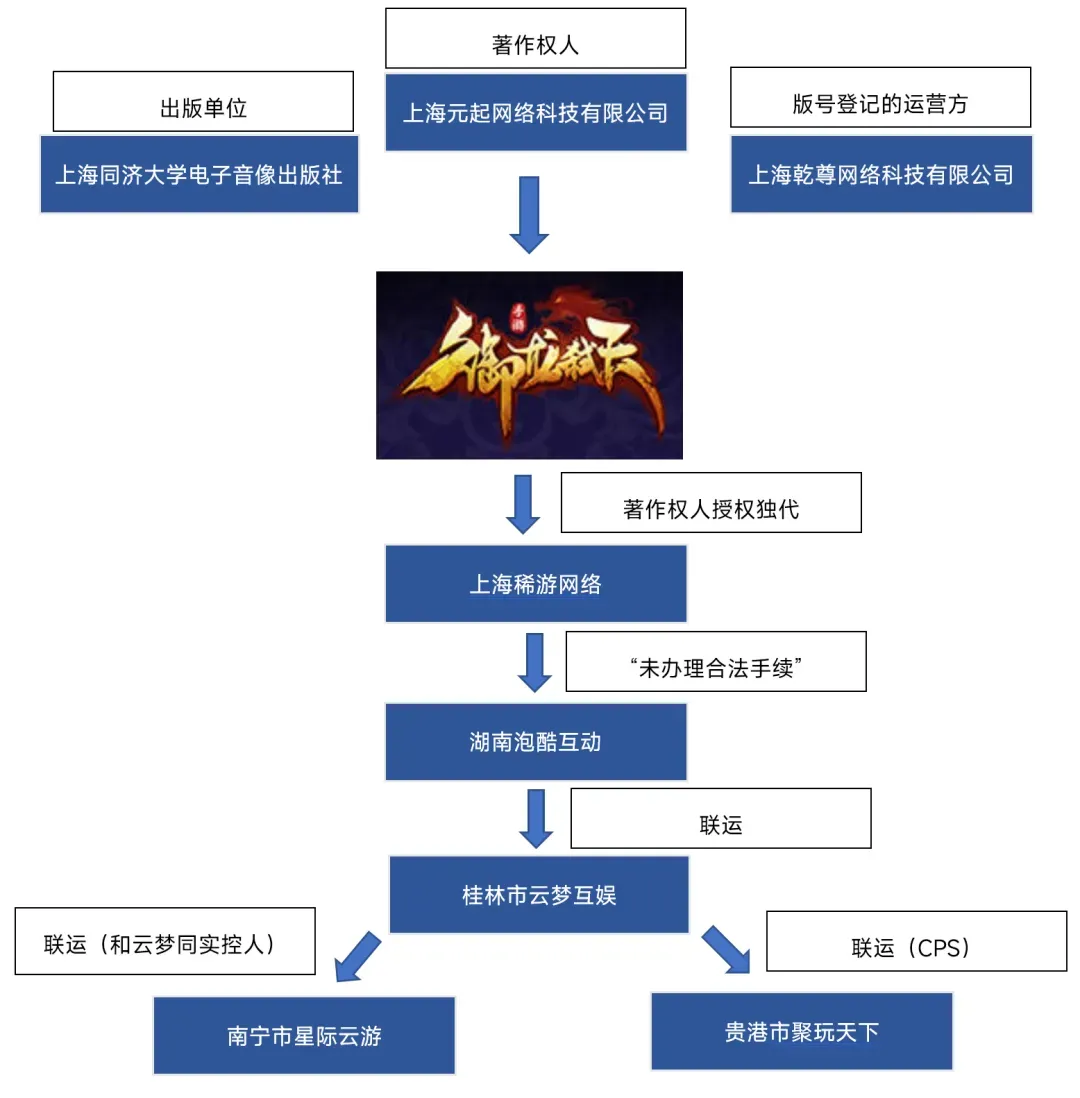
The Guigang Municipal Bureau of Culture, Radio, Television, Sports and Tourism believed that the three involved companies’ act of changing game names for operation constituted publishing online games without approval, essentially “illegal publishing.”
However, after review by the Gangbei Branch of the Guigang Public Security Bureau, it was determined that “it has not yet constituted a criminal offense,” so only administrative penalties were imposed.
The penalty was based on:
Article 27 of the Regulations on the Administration of Online Publishing Services
Article 51 of the Regulations on the Administration of Online Publishing Services
Article 61 of the Regulations on the Administration of Publishing
Article 19 of the Measures for the Administration of Internet Information Services
Articles 2, 5, and 6 of the Notice on Implementing the State Council’s ‘Three Fixed’ Regulations and Related Interpretations of the Central Organization Commission, Further Strengthening Pre-Approval and Imported Online Game Approval Management
Article 6 of the Notice of the National Press and Publication Administration on the Administration of Mobile Game Publishing Services
II. Penalty Results
All three involved enterprises were penalized with “confiscation of illegal gains,” “fines,” and “confiscation of main equipment and special tools used for illegal publishing activities (i.e., all company computer equipment).”
Among them, Guigang Juwantianxia Network Technology Co., Ltd. had been deregistered during the investigation period, so the penalty was instead imposed directly on the shareholder (Huang * Bei).
Statistics of the penalties:
| Entity | Confiscation of Illegal Gains | Fine (5x Illegal Gains) | Confiscation of Main Equipment and Tools |
|---|---|---|---|
| Guilin Yunmeng Huyu Network Technology Co., Ltd. | 4,422,113.41 yuan | 22,110,568 yuan | 186 computer hosts, 222 monitors |
| Nanning Xingji Yunyou Network Technology Co., Ltd. | 20,774,897.18 yuan | 103,874,486 yuan | 285 computer hosts, 298 monitors |
| Huang * Bei (Guigang Juwantianxia Network Technology Co., Ltd.) | 377,179.56 yuan | 1,931,339 yuan | 35 computer hosts, 35 monitors |
| Total | 25,574,190.15 yuan | 127,916,393 yuan | 153,490,583.15 yuan |
III. Some Issues
This is probably the most severe “renamed promotion/skin package” administrative penalty case made public in recent years. It may be used as a reference by relevant administrative departments in other regions.
However, a close reading of the three “Administrative Penalty Decisions” reveals some details worth discussing.
Of course, these discussions are based on the content presented in the “Decisions” and do not represent the actual truth.
In the “Administrative Penalty Decisions,” several statements struck the author as very strange:
1. Does Signing a Joint Operation Agreement Equal “Change of Operating Entity Subject”?
Without Shanghai Xiyou Network Technology Co., Ltd. having completed legal procedures with Hunan Paoku Interactive Entertainment Co., Ltd., Hunan Paoku Interactive Entertainment Co., Ltd. and Guilin Yunmeng Huyu Network Technology Co., Ltd. signed a “Joint Operation Cooperation Agreement” (Contract No.: ymhy-lhyy20210522-01 PK-202106010002) for the online game “Yulong Shitian” on May 22, 2021, resulting in a change in the主体 of the operating unit of the online game “Yulong Shitian.” The party concerned could not provide either legal approval documents or authorization documents from the legal operating unit. The signing of the “Joint Operation Cooperation Agreement” for the online game “Yulong Shitian” by Guilin Yunmeng Huyu Network Technology Co., Ltd. and Hunan Paoku Interactive Entertainment Co., Ltd. resulted in a change in the主体 of the operating unit of the online game “Yulong Shitian.” Using the 19*** game platform and Egg* game platform to operate eight differently named illegal online games, including “Yulong Shitian Zhi Jianke Jue,” providing users with real-name registration systems, game program downloads, game recharges, and conducting promotional promotion and participating in revenue sharing of online game operation, the above behavior of the party was characterized as publishing online games without approval.
Those of us in the industry are well aware that the vast majority of games have countless joint operators, but the ISBN registration only lists one (usually the game’s exclusive代理).
Signing a “Joint Operation Cooperation Agreement” (i.e., a joint operation agreement) is a very common practice in the game industry and does not change the主体 of the game’s operating unit.
There is only one actual game operator: the exclusive代理 or the developer itself (depending on the developer’s operation strategy).
Other joint operators can generally be regarded as promoters, without ‘actual influence’ over game content, operational activities, etc.
If it is deemed that signing a “Joint Operation Agreement” equals “changing the主体 of game operation,” requiring an application to the出版 administration for changing the operator information,
Then that means virtually the vast majority of games on the market are ‘illegal publications.’
After all, even miHoYo’s games have Bilibili channels, but miHoYo’s ISBN information only lists itself as the operator.

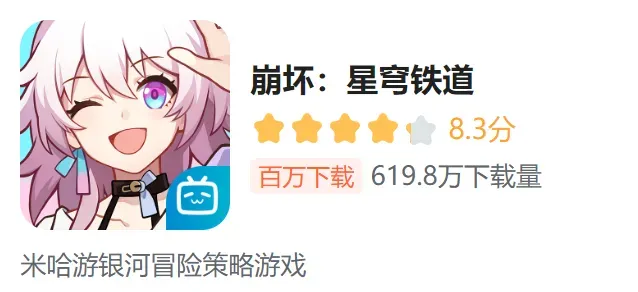
(If Genshin Impact and Honkai: Star Rail were both subjected to ‘confiscation of illegal gains’ and ‘5x fines’…)
In this case,
The new operator of the game should be the copyright owner’s authorized party, Shanghai Xiyou Network.
However, due to the vague content about Shanghai Xiyou and Hunan Paoku “not completing legal procedures,” it could also be Hunan Paoku.
But regardless of the situation, the ‘operator’ that should be updated on the ISBN should not be the three involved entities.
2. Does Adding a Suffix to a Game Name Reach the Threshold Requiring Re-Review?
The Guigang Municipal Bureau of Culture, Radio, Television, Sports and Tourism believed that the three involved entities “did not重新 fulfill corresponding approval procedures according to their category, nor did they obtain authorization documents from the標稱 publishing unit and operating unit of the already approved online game ‘Yulong Shitian’,” therefore constituting “illegal publication.”
This statement can be split into two parts. Let’s first look at the first half.
Admittedly, adding suffixes is a common practice in user acquisition for many domestic games. Operators引流 by changing names. Compared to completely replacing the name, adding a suffix at least includes the original approved game name, making it seem “safer.”
The Guigang Municipal Bureau of Culture, Radio, Television, Sports and Tourism believed that “adding a suffix” requires re-approval based on:
Article 6 of the Notice of the National Press and Publication Administration on the Administration of Mobile Game Publishing Services: “Upgraded works and new expansion packs (referring to those where the storyline, mission content, map form, character personality, role characteristics, interactive functions, etc., have significantly changed, and use additional names, i.e., adding subtitles while keeping the game name unchanged, or adding modifiers before the game name, such as ‘New XX’, or indicating version changes with numbers after the game name, such as ‘XX 2’, for promotions) of already approved mobile games are considered new works and, in accordance with this Notice, must重新 fulfill corresponding approval procedures according to their category.”
However, this “Notice” was issued on May 24, 2016, and was essentially aimed at the issue of large expansion packs (DLC) for PC games at that time.
Moreover, there is an “and” in the “Notice.”
This means that the conditions before and after must be satisfied simultaneously, i.e., [significantly changing the game content] and [changing the name] would constitute a situation requiring re-fulfillment of corresponding approval procedures.
This is also consistent with the出版 administration’s review direction.
The出版 administration’s primary review target is game content. As long as the game name is not illegal, it generally does not undergo extensive review.
In this case, the three involved entities clearly only changed the game name and login interface, without reaching the level of “significantly changing game content.” The relevant authorities’ view that this therefore requires re-fulfillment of corresponding approval procedures seems “overly strict.”
After all, even World of Warcraft, which had so much controversy, only received the ISBN for the expansion pack “Legion”:
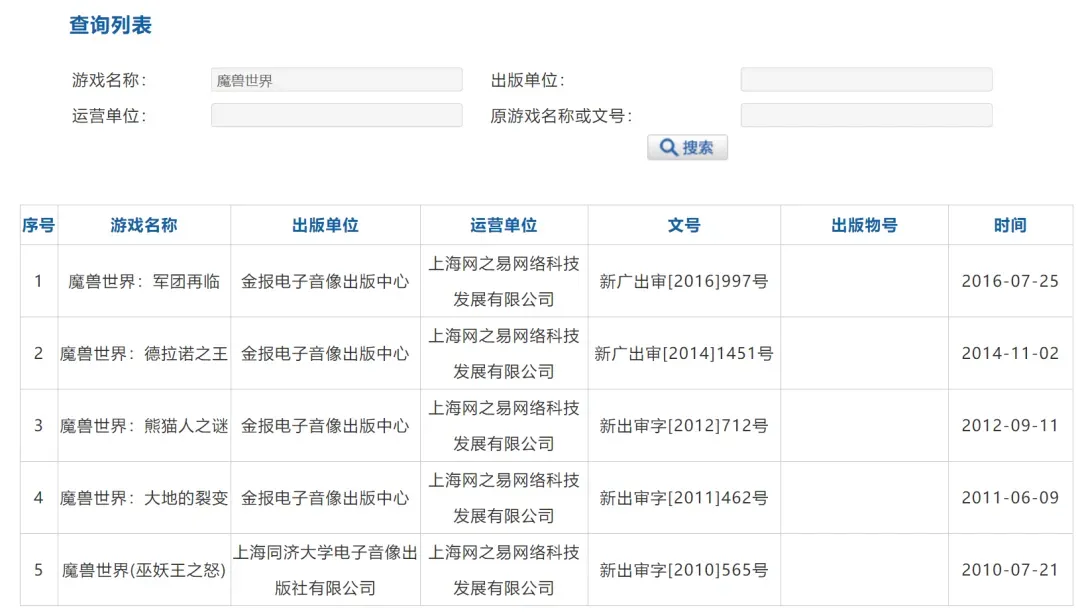
Then would World of Warcraft: Battle for Azeroth and World of Warcraft: Shadowlands also be considered “illegal publications” in theory?
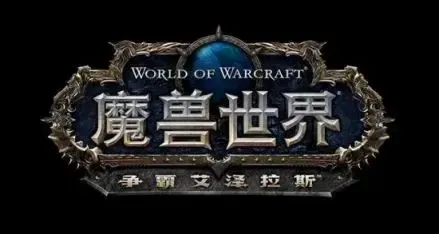
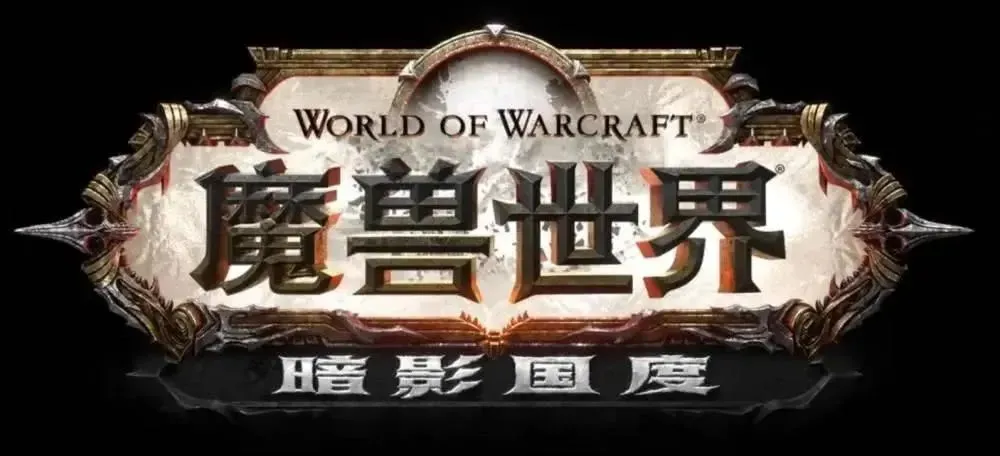
As for Final Fantasy XIV, its ISBN only covers the base game, and expansion pack updates have never had their ISBNs updated:

And it has now reached version 6.0:
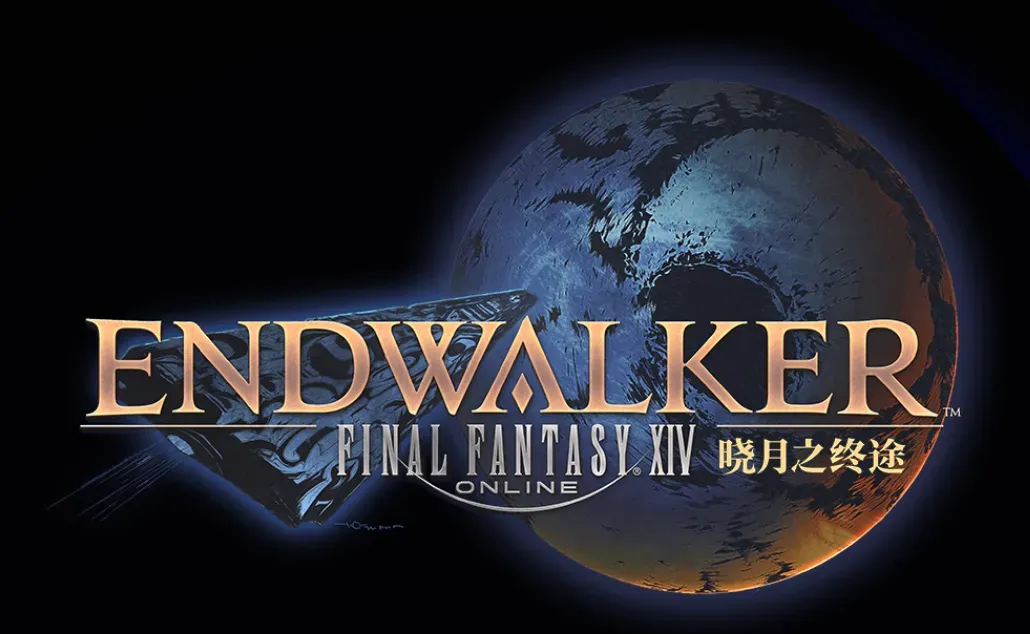 (Screenshot from the Chinese server official website)
Don’t forget, Final Fantasy XIV also has a WeGame server, with Tencent also participating in game download, promotion, user registration, and revenue sharing.
If the above two games, with major version updates and name suffix additions, are not considered ‘illegal publications,’ then the view in this case that the three entities, without adding any content, merely adding suffixes, violated the law, seems overly strict.
3. Does Obtaining Authorization Documents from the Nominal Publishing and Operating Units Meet Compliance Standards?
As for the second half:
Did not重新 fulfill corresponding approval procedures according to their category, nor did they obtain authorization documents from the標稱 publishing unit and operating unit of the already approved online game ‘Yulong Shitian’
Those in the industry know that lower-tier joint operators typically only look at the cooperation and authorization agreements in the upstream chain.
For example, as long as there exists a chain of documents showing A authorized B, B authorized C, and C authorized D, and the authorization documents do not prohibit sub-authorization or分授权, then E can consider that D is sufficiently authorized to authorize E to operate the game.
However, the “Penalty Decision” states that unless authorization documents are obtained from both the publishing unit and the operating unit (note the use of “and”), it is considered compliant operation. This means that multi-tiered authorization will no longer exist in the future; all authorization must be signed simultaneously by the publishing unit (in practice, publishing units would not sign authorizations with downstream entities) and the operator listed on the ISBN.
But as we discussed above, once a “Joint Operation Agreement” is signed, it is considered “changing the operating主体,” requiring “re-approval of the game. ”
Then how can the publishing unit and operating unit issue this ‘authorization document’?
Issuing = needing re-approval, not issuing = illegal publication
This dilemma means that in the future, only one company can operate a game. Even listing on an app store would be a violation, because app stores also sign ‘Joint Operation Agreements’:
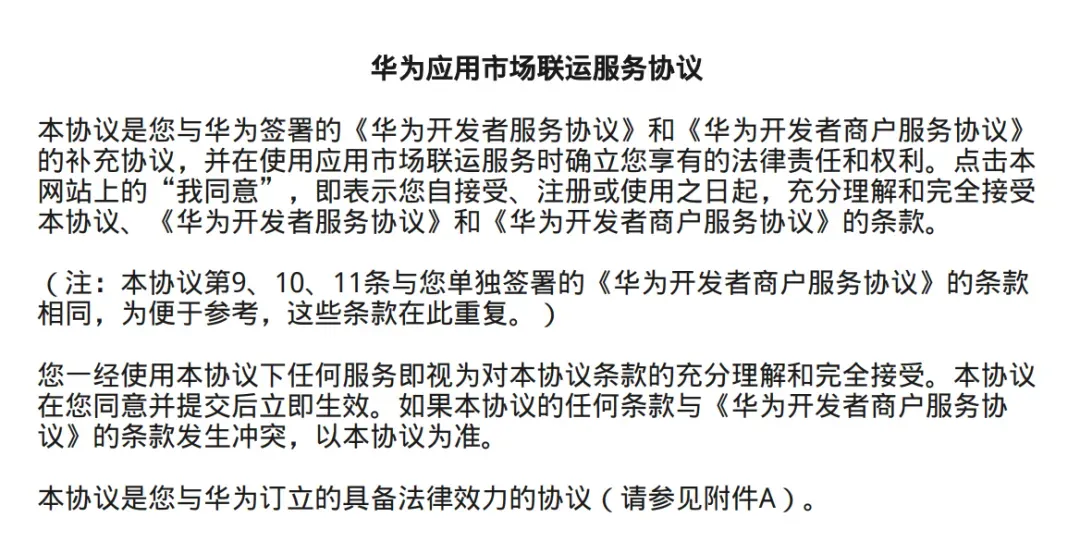
Furthermore, this statement also conflicts with other认定 content.
The认定 of “illegal publication” in this case was mainly based on two facts:
[Adding suffixes] + [Not re-approving (changing the name and operator)]
The second half of this statement suggests that as long as authorization documents from the標稱 publishing unit and operating unit are obtained, it would be acceptable. So, can the標稱 publishing unit and operating unit directly issue authorization documents for the game name with the added suffix?
If adding a suffix and changing the operator are deemed violations, what difference does it make whether direct authorization documents exist?
If having direct authorization documents is considered acceptable, then are ‘adding suffixes’ and ‘changing operators’ still considered violations?
If both conditions must be met simultaneously, then since changing the operator (signing a Joint Operation Agreement) requires re-approval, why would one still need authorization documents from the original operating unit, rather than authorizing oneself after passing review?
IV. Some Recommendations
Although there are many puzzling points in this “Penalty Decision,” based on the case content and the current market environment, the author believes the following measures can still be considered:
1. Reduce or Stop Skin Package投放
Although there are precedents like World of Warcraft, their application entry (exe) names may not have changed (please correct if wrong), leaving some room for “dispute.”
Although the earlier analysis suggested that “simply changing the name” should not be directly deemed “illegal publication,” reducing or stopping skin package投放 is not a bad way to reduce risk until clearer legal provisions are issued.
2. Focus on Checking All Authorization Documents; When Necessary (Fewer Tiers), Obtain a Confirmation Letter from the Main Operator
It is recommended to obtain the complete upstream chain of authorization documents. If the tiers are fewer, consider seeking a reply letter from the main operator regarding “chain completeness” (a direct authorization letter is usually not feasible and would disrupt the overall authorization cooperation chain) to prove that your authorization chain is complete and reliable.
3. Developers May Consider Tightening Packaging Permissions
There is currently no news that the developer was penalized. However, based on the author’s understanding, the developer’s boss also “didn’t feel great” during the investigation phase.
If the packaging permission is excessively delegated, allowing operators to change the name and package at will, based on the current situation, there is a possibility that the developer could also be penalized.
Whether from the perspective of being able to obtain game revenue sharing or the developer having a management obligation, the developer also faces the risk of constituting “illegal publication.”
V. Summary
Although this penalty announcement circulated last year, the author had only seen some scanned copies and never found the original announcement.
It was only published on December 28 but was clearly overshadowed by the year-end Game Management Regulations (Draft), and the authorities did not deliberately promote it.
Its sudden popularity in recent days is likely related to the penalty amount.
The game industry needs compliant operations, but it also needs clear and accurate enforcement standards.
The basis for this penalty, especially the part stating that “signing a ‘Joint Operation Agreement’ means changing the operator,” is clearly inconsistent with actual practice.
If strictly applied, virtually all current games could be suspected of “illegal operation.”
Based on the information currently available to the public, it is inevitable that game industry bosses feel a sense of ‘fellow suffering.’
Adding another layer of snow to the already cold game environment.