Is It Infringement to Remake Someone Else's Game Footage with AI and Use It as Your Own User Acquisition Material?
Analyzes whether using AI tools like Midjourney and Gen-2 to recreate existing game scenes for advertising material constitutes copyright infringement, concluding that even without using original assets, riding on another game's recognition remains illegal.
At the beginning of the article, I wish all readers
Happy New Year! Good health and great wealth in the Year of the Dragon!
Recently, various viruses have been circulating again. The author was “lucky” enough to catch one at the end of the holiday, with a fever that prevented timely article updates. My apologies.
Without further ado, let’s return to today’s topic.
This question arose because the author saw a video on Bilibili during the holiday:
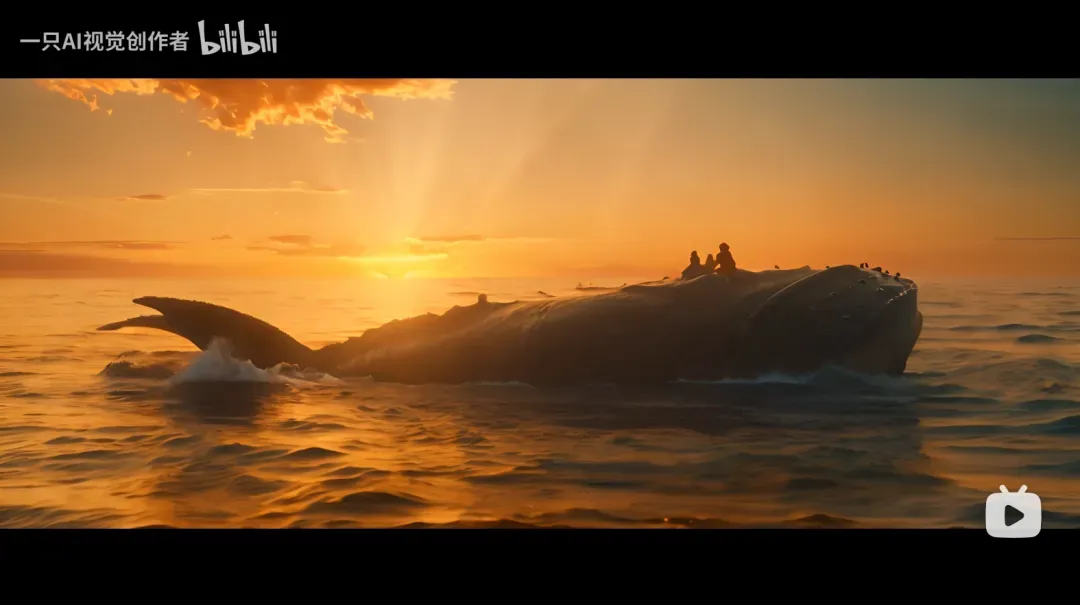
Readers with years of gaming experience can easily recognize the classic scene prototype
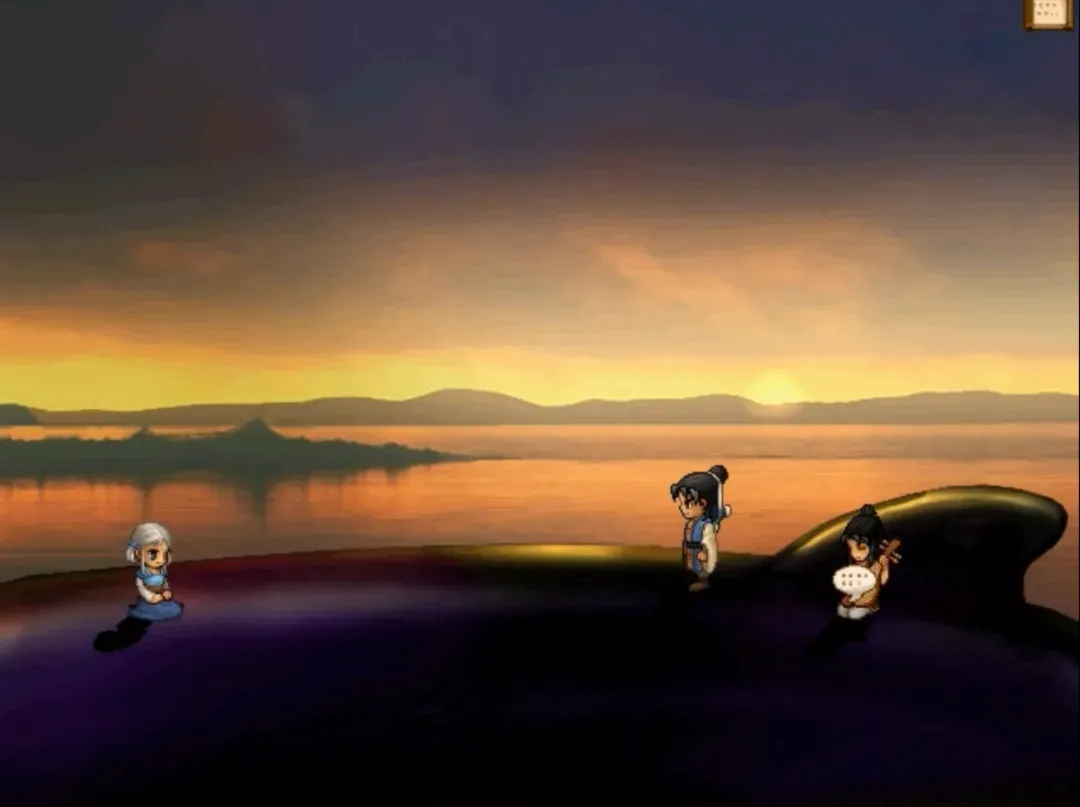 “Xuan Yuan Sword: Trail of Heaven”
Of course, the video creator didn’t hide it either

The creator used AI to basically reproduce many famous scenes from “Trail of Heaven” and even made simple animations with AI. Interested readers can watch via the following link: https://www.bilibili.com/video/BV1dc411e7HU/
The simple animations produced by AI can already be described as “stunning” and would definitely be eye-catching as user acquisition material.
Without using the original game assets
Describing the game scenes through text and letting AI draw on its own
Will inevitably generate images that are not exactly the same as the original scenes but contain the same ideas
And then using them in one’s own user acquisition material
Does this avoid infringement?
*This article represents only the author’s personal views and is not intended as legal advice or opinion.
I. The Recent Predicament of User Acquisition Material
With the centralization of traffic sources in recent years, coupled with the high similarity of game genres and themes, a series of user acquisition issues—such as how to cheaply acquire users, how to rapidly deploy high-quality引流 materials, and how to increase revenue per impression—have made marketing professionals in the gaming industry rack their brains.
The explosion of new types of user acquisition materials like真人 short dramas and “stupid” mini-games (referring to recordings of intentionally losing games) is more about the trade-off between production time and revenue.
In the gaming industry, especially for RPG games, the most eye-catching material is undoubtedly high-quality 3D CG assets.
But 3D CG is expensive and time-consuming to produce, making it “out of reach” for many small and medium studios
Directly using large studios’ assets has become an “open secret” for many small and medium studios
For example, one CG from “Drakengard 3” became the preferred advertising material for countless web games back in the day.
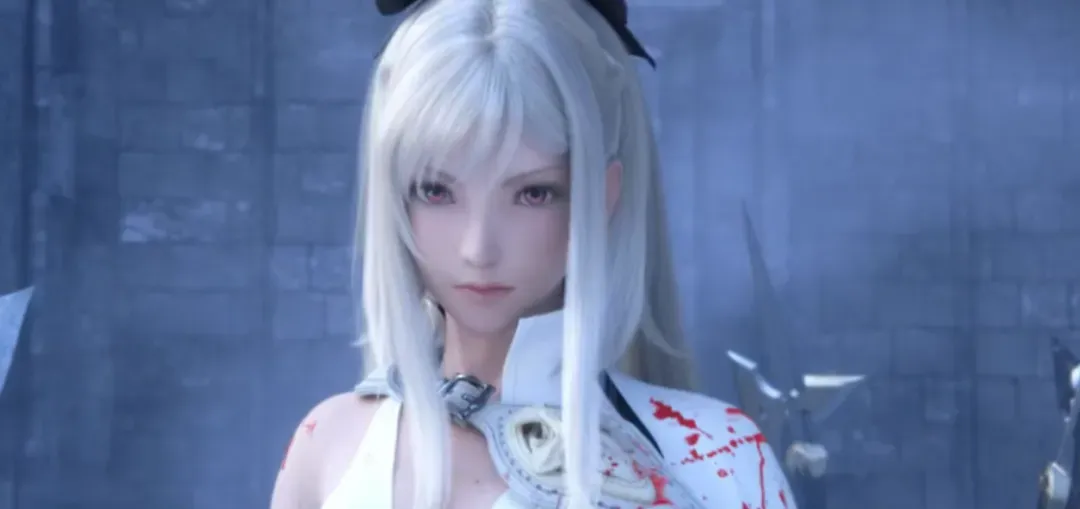
However, as the law becomes stricter and penalties higher, the risks of such blatant infringement can easily outweigh the benefits.
Now, AI has arrived.
II. Efficient Video Production Through Collaboration of Multiple AI Tools
According to the Bilibili video creator’s sharing in the comments
They used 3 different AI tools for production

ChatGPT: Responsible for designing prompts

Midjourney: Responsible for drawing
Gen-2 by Runway: Responsible for turning Midjourney’s drawings into animations
The entire 2.5-minute video took less than a week to produce
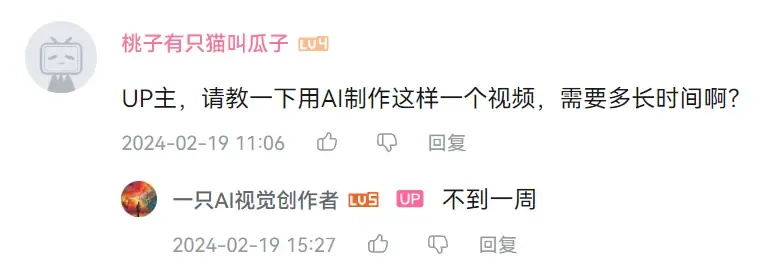
Besides time costs, the only expenses left are the membership fees for the three AI programs.
Compared to traditional recruitment, purchasing high-end PC equipment for modeling and rendering, the cost seems “insignificant.”
Everything looks great
But the following risks cannot be ignored.
III. Using AI to Create Game Assets: Issues to Note
1 The Copyright Status of AI-Generated Material Has Not Been Clearly Legally Defined
Although the first Beijing Internet Court case recognized the plaintiff’s copyright over images generated by Stable Diffusion.
See the case: ↓
However, the current Chinese legal community is still hotly debating this, with many judges believing that AI-generated material does not have copyright.
Moreover, Stable Diffusion has more “controllability” compared to other software. Under the production method discussed in this article, both Midjourney’s image generation and GEN2’s animation production are more characterized by complete randomness and lack of human control—users can only adjust prompts and cannot make decisive changes to the image.
In this scenario, promotional materials created this way, once lacking evidence of the production process, may be less likely to be recognized by judges, thereby losing copyright protection and being at a disadvantage when infringement occurs.
2 AI-Generated Images Do Not Mean No Infringement
Traditional user acquisition material infringement often involves directly using or splicing others’ images or videos.
The core is using others’ original material.
So, similar to the Bilibili creator
Describing game scenes, letting ChatGPT generate prompts to create images, without using any of the original game material
Does this avoid infringement and achieve a safe way to ride on traffic?
The answer is clearly no
Although copyright protects expression, not ideas, and describing game scenes to ChatGPT seems like “one’s own expression”
This is actually still someone else’s expression
Especially when selecting AI works that are “spiritually similar” or even “visually similar” to others’ original images, the essence is still making an effort to more closely match someone else’s expression.
That is — plagiarism
Therefore
Even when using AI to redraw materials, during the投放 process, if you use a sufficient number or imply/explicitly indicate connections with other works (i.e., riding on traffic for user acquisition)
It is also infringement
Therefore, compared to riding on others’ game content, it is more recommended to use AI to create user acquisition material that better fits your own game.
After all, it’s highly efficient.
3 Combining with SD May Be a Better Way to Avoid Risk
As mentioned before, Stable Diffusion is an AI drawing software that has been “certified” to obtain copyright, and the process of generating images with Stable Diffusion is also more controllable.
If you really need to use AI to generate user acquisition materials, consider
ChatGPT (concept) + SD (drawing) + PS (refinement) + GEN2 (animation)
At the same time, retain the process of each step as evidence
This can help enhance “originality” and “human creativity”
Providing a stronger foundation for rights protection
IV. Undeniable: AI Is the Future
After a year of rapid development, the productivity improvements brought by AI are evident to all industries.
A large number of gaming industry professionals are
Questioning AI, understanding AI, using AI
Especially when Sora was announced a few days ago, the author’s social media was filled with exclamations of amazement.
These days, not knowing AI seems to be “falling behind”
Therefore, the author and team partners jointly wrote a book titled
“ChatGPT Application Guide for Legal Professionals”
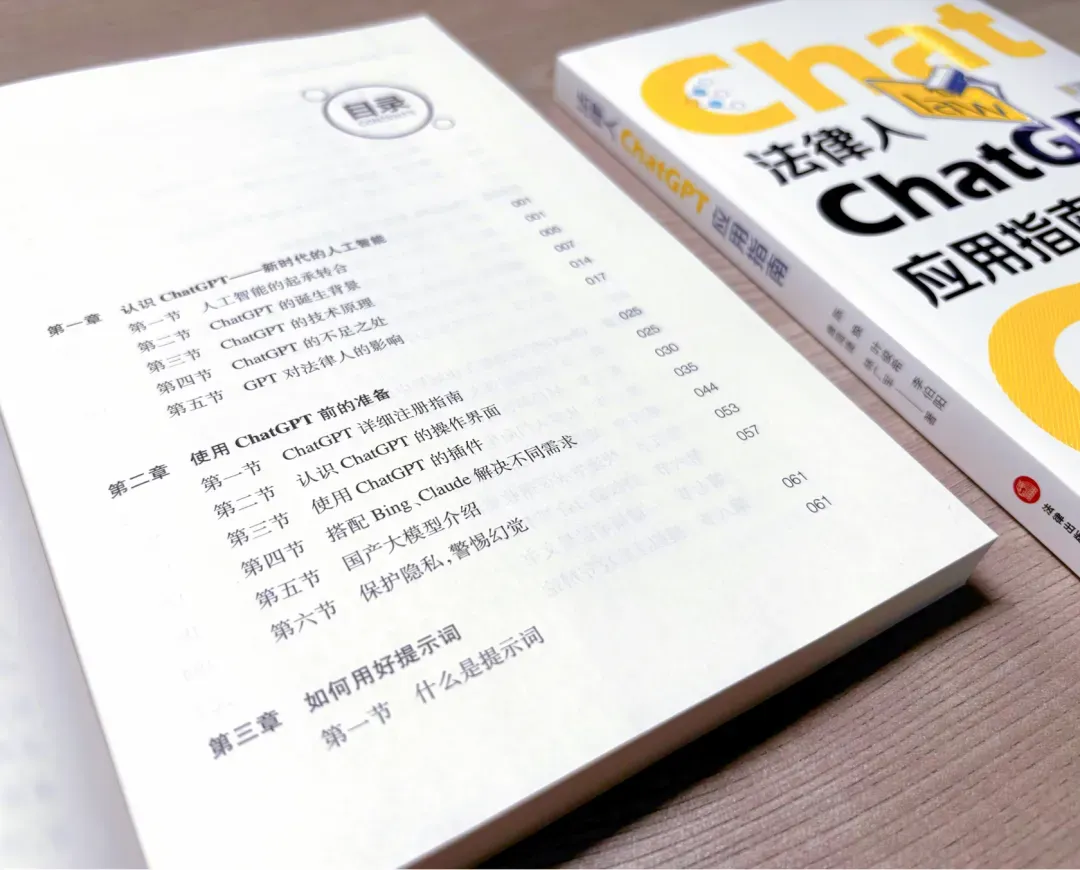
The full book contains 100,000 words, providing an in-depth yet accessible discussion from ChatGPT principles, registration, usage, techniques, examples, to how to integrate with other software.
Although none of us are Tsinghua PhDs or selling 199-yuan courses (laughs), we hope this book can help everyone.
Additionally, although titled “ChatGPT Application Guide for Legal Professionals,” we strive to use simple, clear examples so that friends from all industries can read and get started, and the related usage techniques can also be applied to other similar large language models.
The book is now available on major online stores. Welcome to purchase and read, and your corrections are welcome.